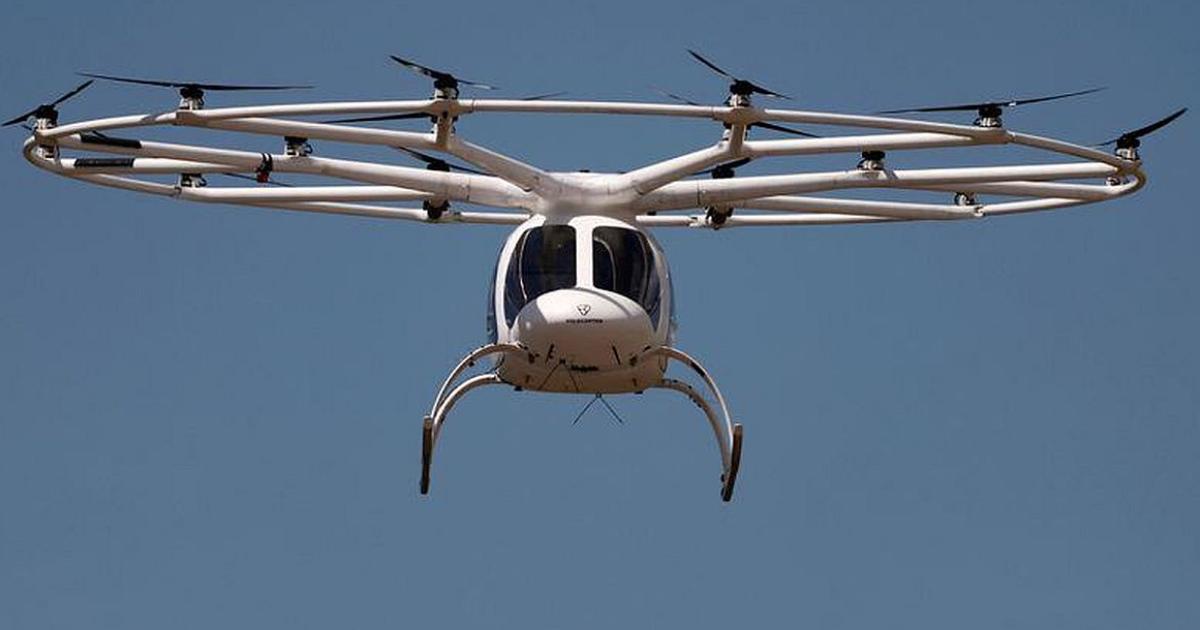
SkyDrive, a Japanese eVTOL developer backed by Suzuki, announced a strategic partnership with Air India to launch electric vertical takeoff and landing aircraft in India by 2028. The initial use case focuses on medical logistics, specifically organ transportation, which addresses a critical operational gap in India's healthcare infrastructure where time-sensitive organ delivery remains constrained by terrestrial transport limitations.
The announcement represents a market-entry strategy rather than a commercial catalyst. eVTOL commercialization timelines have historically faced regulatory, infrastructure, and certification delays; a 2028 target in India carries execution risk given evolving airspace regulations and the absence of established urban air mobility frameworks in the region. The partnership legitimizes SkyDrive's technology but does not constitute a revenue milestone or material contract win.
Manufacturing localization consideration signals supply-chain cost optimization and regulatory compliance strategy, typical for long-cycle industrial projects seeking government support and tariff advantages. Air India's participation provides distribution credibility but remains non-binding at the announcement stage.
Sector implication: The news carries modest positive sentiment for aerospace and advanced mobility verticals within Industrials, but lacks near-term financial materiality for Suzuki or its listed vehicles. The 2028 horizon places this beyond typical institutional investment catalyst windows, classifying it as exploratory partnership disclosure rather than transformational strategic pivot.