Maruti's plant inauguration by PMs of India, Japan 'greatest possible honour': T Suzuki
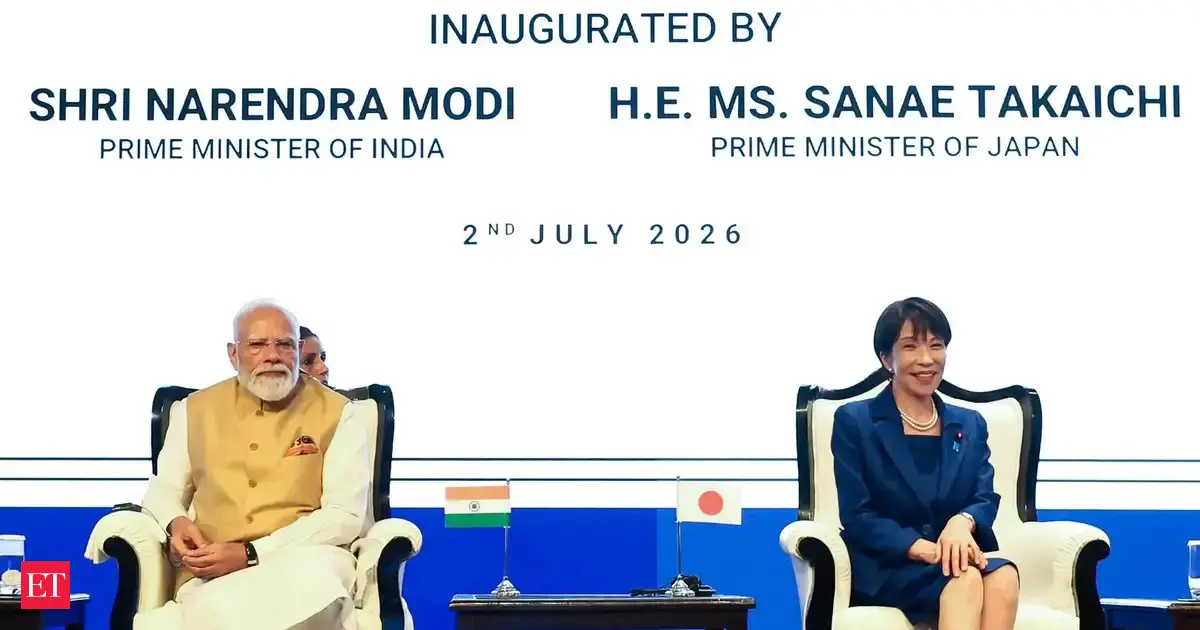
Maruti Suzuki's inauguration of its Kharkhoda plant by senior government officials from India and Japan signals operational expansion and validates the joint venture's strategic importance in South Asian automotive manufacturing. The ceremonial dual-PM involvement elevates the symbolic weight beyond typical corporate events, suggesting aligned governmental priorities on industrial capacity.
The SZKMY investment reflects Suzuki Motor's commitment to India's growing automobile market, particularly as supply chain diversification from China remains a priority for Japanese manufacturers. Capacity additions typically support medium-term earnings growth through volume leverage, though near-term margin accretion depends on demand sustainability and input cost trajectories in the Indian market.
Geopolitical undertones matter here: Japan-India alignment on manufacturing infrastructure counters regional supply-chain concentration risk and reinforces the Quad's implicit economic cooperation framework. For Suzuki Motor, this plant positions the company to capture domestic demand growth and potential export opportunities across South Asia, reducing dependence on saturated developed markets.
Sector implication: Industrials and consumer cyclical sectors benefit from capacity-side catalysts, though automotive manufacturing remains cyclical. Sentiment is constructive near-term on the government endorsement and growth narrative, but valuation and competitive intensity (EV transition, local rivals) remain headwinds for realized returns.