Gen Z got into repairing and handstitching clothes first — now Levi’s and Uniqlo are chasing a Patagonia-style ‘brand halo’
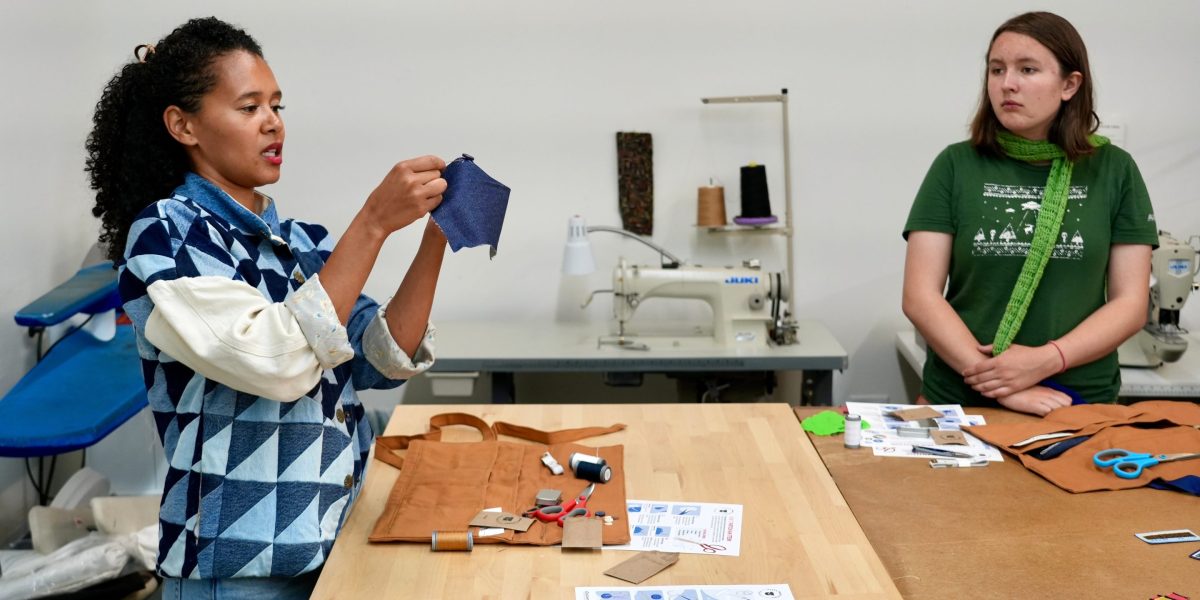
Major apparel brands including Levi Strauss and Uniqlo are responding to a Gen Z-driven consumer trend toward clothing repair and longevity rather than fast-fashion disposal. This represents a strategic pivot toward durability-focused positioning and sustainability messaging, mirroring Patagonia's established brand premium tied to environmental stewardship and product longevity.
The shift reflects deeper consumer preference evolution within luxury and mainstream fashion segments, where repair culture and extended product lifecycles are becoming competitive differentiation points. By emphasizing product longevity and quality, legacy apparel manufacturers can potentially command higher margins and foster brand loyalty among younger demographics increasingly skeptical of throwaway consumption patterns.
This trend carries implications for supply chains, pricing strategies, and brand positioning across the Consumer Cyclical sector. Companies investing in durability narratives and repair ecosystems may capture pricing power and customer lifetime value gains, though execution risk remains high—greenwashing skepticism among Gen Z could undermine credibility if marketing claims lack substantive product or operational changes.
Sector implication: Consumer apparel faces structural pressure to pivot toward sustainability and longevity narratives. Adoption costs and margin compression risks exist alongside potential brand premium and customer retention upside, creating mixed but optimistic signals for established players with scale to implement product and operational transformation.