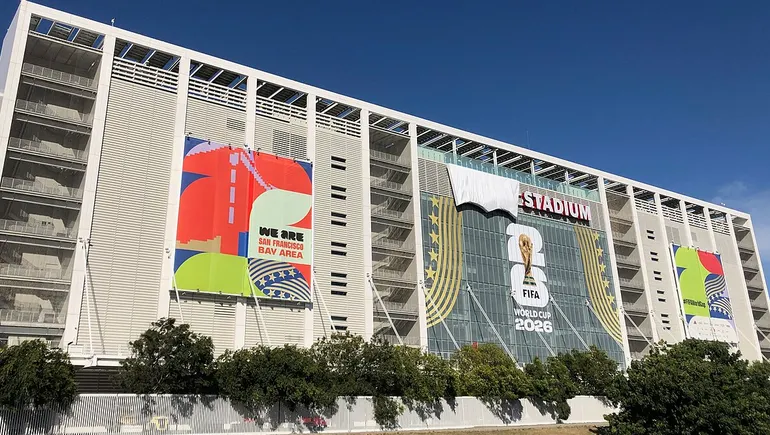
Levi Strauss is leveraging World Cup marketing momentum to drive expected Q3 revenue uplift, building on solid Q2 execution across both direct-to-consumer and wholesale channels. The viral marketing approach targets younger demographics and international audiences, expanding brand relevance beyond traditional denim positioning.
The strength in DTC and wholesale channels during Q2 demonstrates operational momentum across distribution. DTC growth typically carries higher margins, improving profitability metrics, while wholesale expansion signals renewed retailer confidence. This dual-channel success creates a clearer path to sustained growth acceleration in the current quarter.
World Cup visibility represents a low-cost, high-reach marketing event that aligns with consumer discretionary spending patterns heading into holiday season. Viral social moments can drive traffic disproportionately, particularly among price-conscious and trend-sensitive cohorts where denim remains culturally relevant. The question is durability—whether Q3 momentum extends beyond event-driven demand.
Sector implication: Consumer Cyclical retailers face macro headwinds (consumer debt, rate sensitivity), but apparel-focused players with strong brand equity and omnichannel execution show resilience. LEVI's operational improvements suggest pricing power and cost discipline, partially offsetting economic uncertainty pressures on the broader sector.