Toll Brothers sued: Michigan woman claims luxury housing project could block access to her land, harm environment
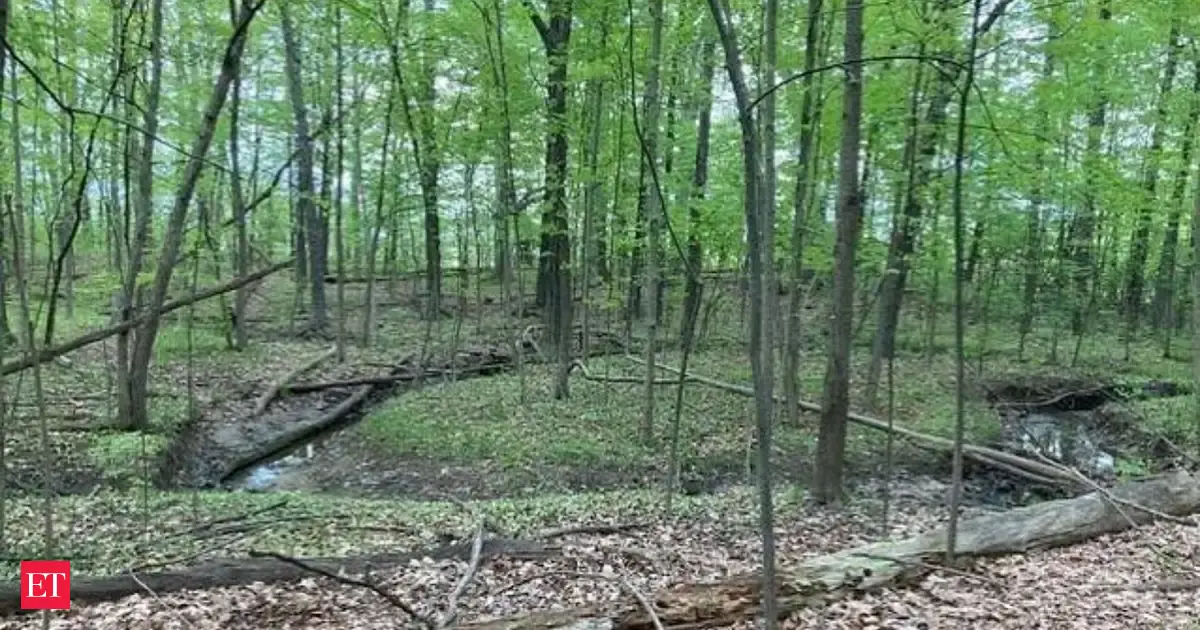
Toll Brothers faces litigation in Michigan involving disputed easement rights and environmental concerns tied to a luxury residential development. The plaintiff alleges the project will obstruct property access and create wastewater discharge risks adjacent to her land. This represents a localized land-use conflict typical in residential construction, with preliminary hearings scheduled to determine injunction viability and motion-to-dismiss outcomes.
The case implicates real estate development execution risk and regulatory compliance costs. While individual lawsuits against major homebuilders are routine, adverse rulings could impose project delays, remediation expenses, or design modifications. The environmental discharge allegations introduce potential EPA or state regulatory scrutiny, though developers have formally denied claims and are pursuing dismissal—suggesting confidence in legal positioning.
For TOL, the financial materiality hinges on litigation scope and settlement probability. A single luxury project lawsuit poses minimal portfolio-level impact unless escalated into class action or broader environmental enforcement. Toll Brothers' scale and capital position (market cap ~$10B) absorb localized disputes without systemic pressure.
Sector implication: This dispute reflects persistent headwinds in residential development—environmental compliance, land-use opposition, and litigation costs—that compress margins across the homebuilding sector. Real estate developers face rising regulatory friction and community resistance, particularly in high-property-value markets where environmental sensitivity is elevated.