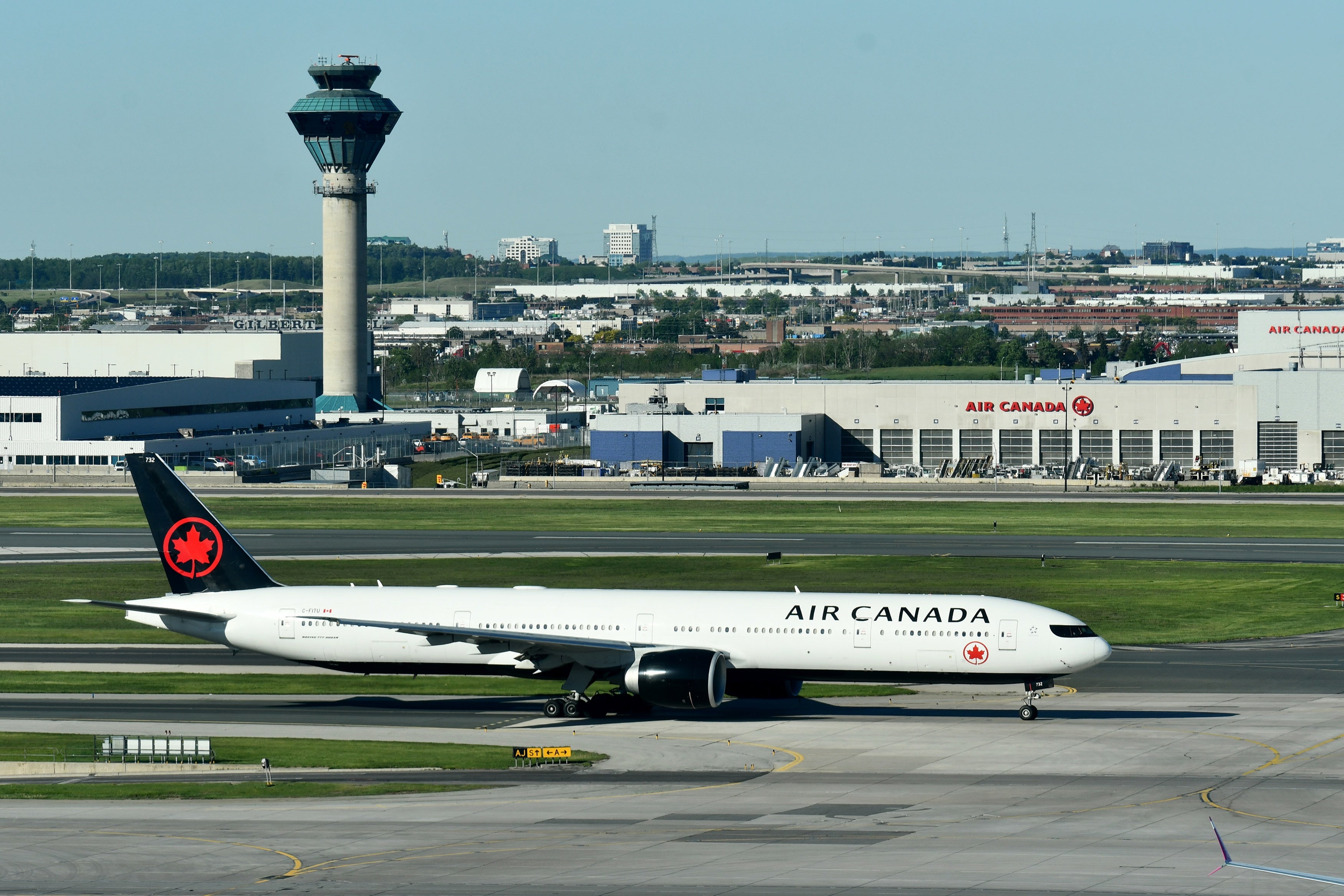
Air Canada has expanded its fare structure by introducing tiered premium offerings: basic premium economy and basic business class. This represents a segmentation strategy designed to capture additional revenue from price-sensitive customers seeking elevated amenities without full premium pricing.
The move reflects broader airline industry trends toward unbundling and ancillary revenue maximization. By creating intermediate fare tiers, carriers reduce cannibalization of higher-margin premium cabins while expanding addressable demand among cost-conscious business and leisure travelers. This pricing architecture has proven effective for competitors and increases average revenue per passenger.
From a competitive positioning standpoint, ACDVF aims to improve unit economics in a margin-pressured operating environment. The introduction of basic variants allows the carrier to compete with low-cost carriers on price while maintaining premium service differentiation, addressing structural headwinds in airline profitability.
Sector implication: This development is operationally neutral for the Industrials sector but reflects defensive pricing strategies common in cyclical industries facing demand uncertainty. The move does not signal material business acceleration or contraction—rather, it demonstrates tactical yield management optimization typical of mature transportation providers managing capacity and revenue volatility.