Air Canada and Airbus launch joint initiative to scale domestic Canadian SAF and help reduce the life-cycle emissions of corporate travel
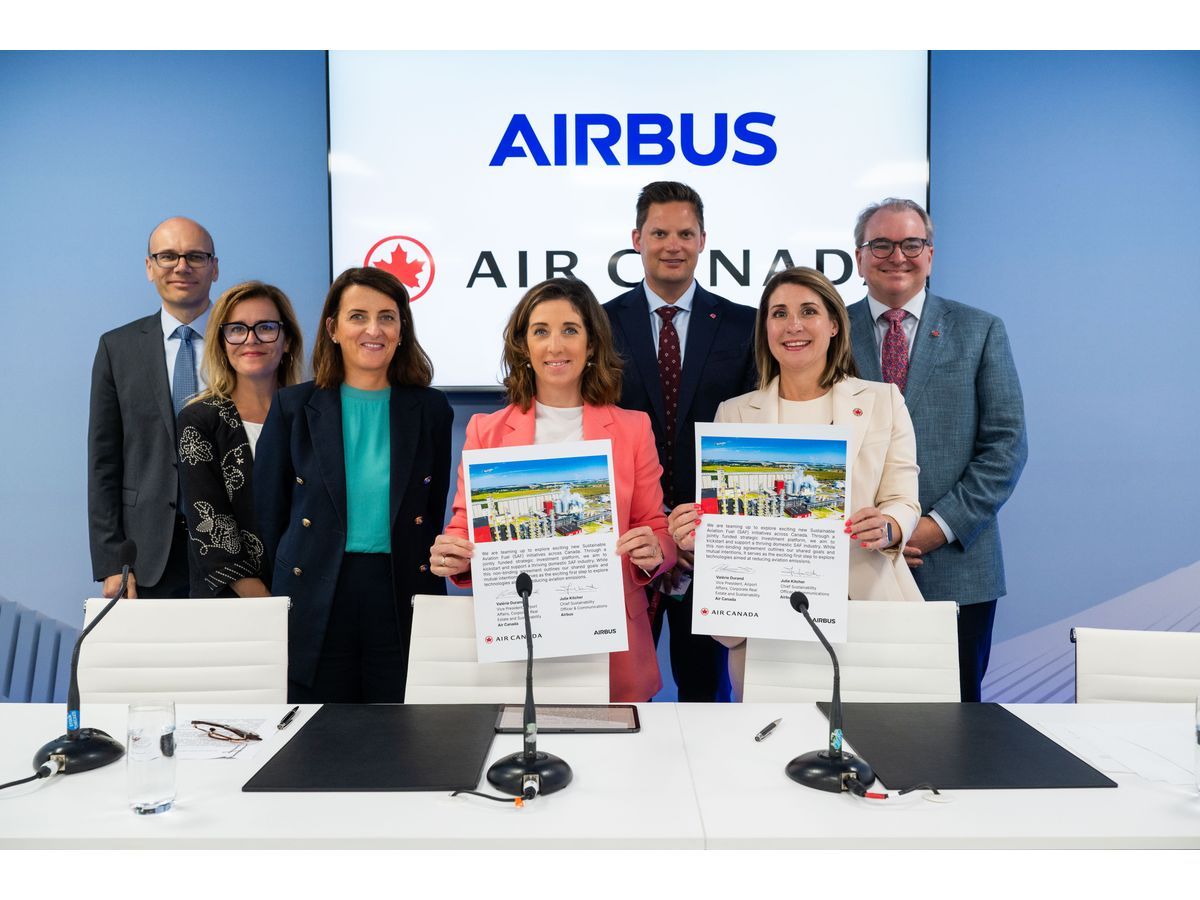
Air Canada and Airbus have announced a strategic partnership focused on scaling sustainable aviation fuel (SAF) adoption within Canada's domestic aviation market. This initiative reflects growing corporate and regulatory pressure to decarbonize transportation, a sector historically resistant to emissions reductions due to energy density constraints.
The collaboration signals structural tailwinds for both aerospace and airline industries as they navigate energy transition mandates. For Airbus, this represents validation of SAF-compatible aircraft platforms and positions the company as a preferred partner for environmentally conscious operators. For air carriers, SAF adoption reduces regulatory exposure while potentially qualifying for carbon credit monetization—a modest but material revenue lever.
The Canadian focus is strategically significant; it leverages domestic policy support for clean energy infrastructure and positions participants ahead of anticipated international aviation decarbonization rules (ICAO CORSIA compliance). This partnership model may accelerate similar initiatives across North American and European markets where regulatory frameworks increasingly mandate emissions reductions.
Sector implication: Positive for aerospace/defense manufacturers and airline operators exposed to ESG-driven capital allocation. SAF production capability and supply chain development represent emerging competitive advantages. Limited near-term earnings impact but material for long-term cost structure and regulatory risk mitigation in transportation sectors.