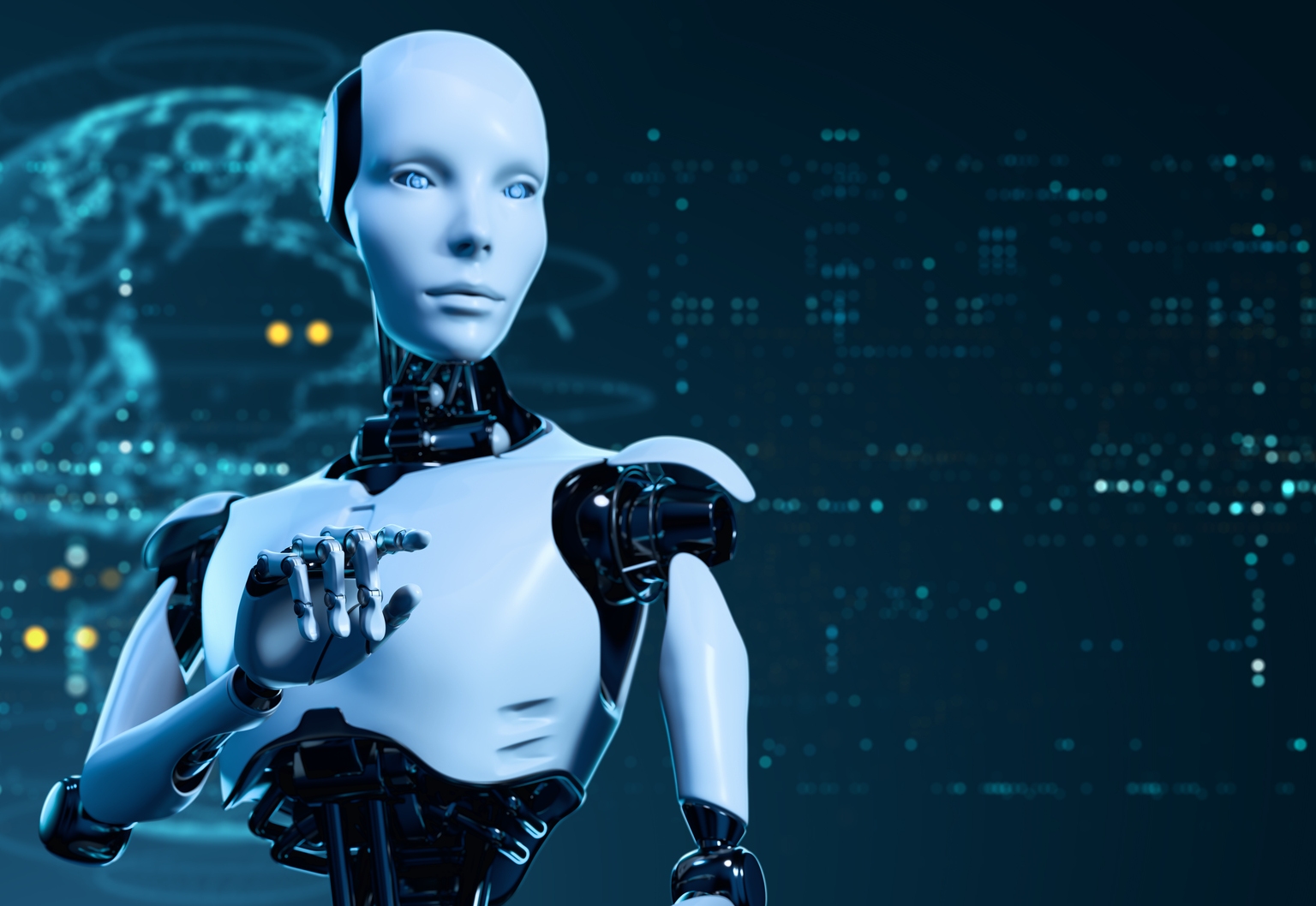
Tesla's investment thesis has fundamentally shifted beyond traditional automotive manufacturing toward a robotics and autonomy-driven business model. This structural repositioning reflects management's long-term vision but introduces material valuation uncertainty, as revenue and margin expansion depend on technologies that remain in development phases.
Current market pricing appears to embed substantial upside assumptions regarding full self-driving capabilities and humanoid robotics commercialization. The gap between near-term cash generation from vehicle sales and long-term profit potential from autonomous services creates a timing mismatch that investors must reconcile. Execution risk on autonomous delivery and robotics timelines remains elevated.
The valuation premium embedded in TSLA reflects a binary outcome scenario: successful platform monetization justifies current multiples, while delays or technical setbacks could trigger significant repricing. Traditional automotive comparables become less relevant as the company's financial profile evolves, requiring investors to model entirely new revenue streams without historical precedent.
Sector implication: This transition signals potential disruption across automation, manufacturing, and mobility verticals. Success would validate the "manufacturing as software" thesis increasingly prevalent in Technology and Industrial sectors, while failure would reinforce near-term automotive fundamentals as the binding constraint on valuation.