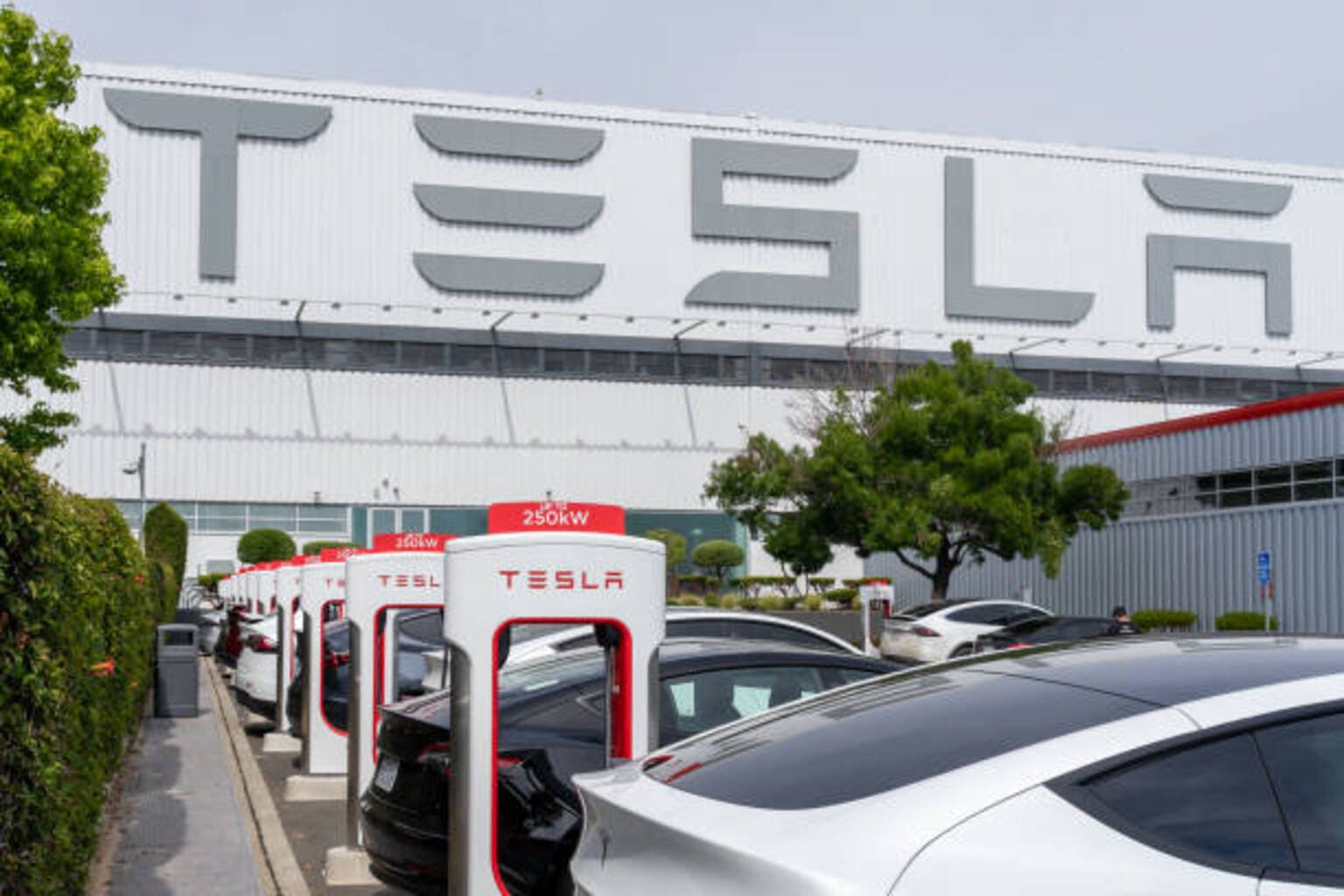
Tesla faces structural headwinds in its core EV business, with margin compression emerging as a critical vulnerability. The article highlights deteriorating profitability dynamics in legacy vehicle production, suggesting pricing power erosion amid intensifying competition and potential demand softness in key markets.
Capital allocation emerges as a secondary concern: the company's push into Robotaxi and Optimus humanoid robotics requires substantial funding at a time when the cash-generative EV segment shows signs of strain. This creates a strategic tension between near-term profitability requirements and long-term optionality bets—a dynamic that equity investors typically penalize when cash flow visibility declines.
The bearish thesis rests on the premise that TSLA lacks sufficient margin buffer to fund transformational projects while maintaining shareholder returns or reinvestment in core competencies. This contrasts with prior market narratives that assumed Tesla's scale advantages would defend profitability regardless of competitive pressure or volume trade-offs.
Sector implication: Weakness in Tesla's fundamentals signals broader pressure on automotive legacy players and EV pure-plays. A sustained margin compression narrative could trigger defensive rotation away from high-growth, capital-intensive auto tech toward established OEM stakeholders with diversified cash flows.