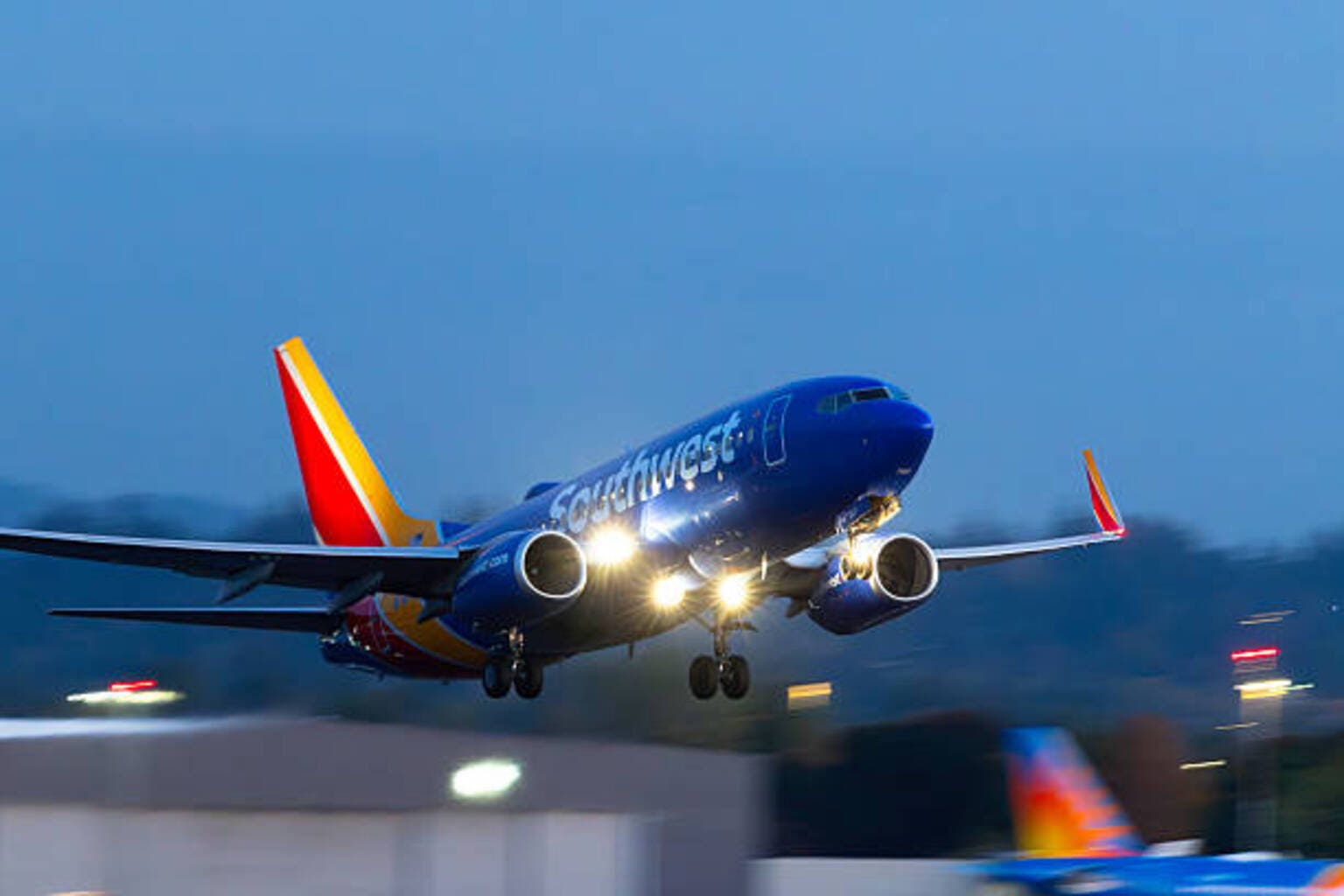
Southwest Airlines (LUV) faces a mixed earnings outlook for 2Q26 anchored on competing operational tailwinds and commodity headwinds. The airline's cost-management initiatives and emerging ancillary fee strategies represent structural margin supports, but unhedged fuel exposure creates material volatility risk to EPS if oil prices spike.
The $44 price target embedded in the Hold call suggests limited upside from current levels, reflecting analyst skepticism that operational improvements can fully offset energy input risks. LUV's lack of fuel hedging—a strategic choice that enhances optionality in low oil environments—becomes a liability in inflationary energy scenarios, creating asymmetric downside in earnings revisions.
Fee monetization and cost discipline remain the primary levers available to management to sustain profitability amid volatile jet fuel costs. Success hinges on pricing power retention amid competitive capacity and consumer demand elasticity across leisure and business segments.
Sector implication: Airlines remain exposed to macroeconomic sensitivity and energy commodity shocks. This narrative reflects broader Industrials sector vulnerability to uncontrollable input costs, particularly relevant in a higher-for-longer oil environment. Investor focus should center on cash flow resilience and balance-sheet capacity to absorb fuel spikes rather than near-term earnings growth.