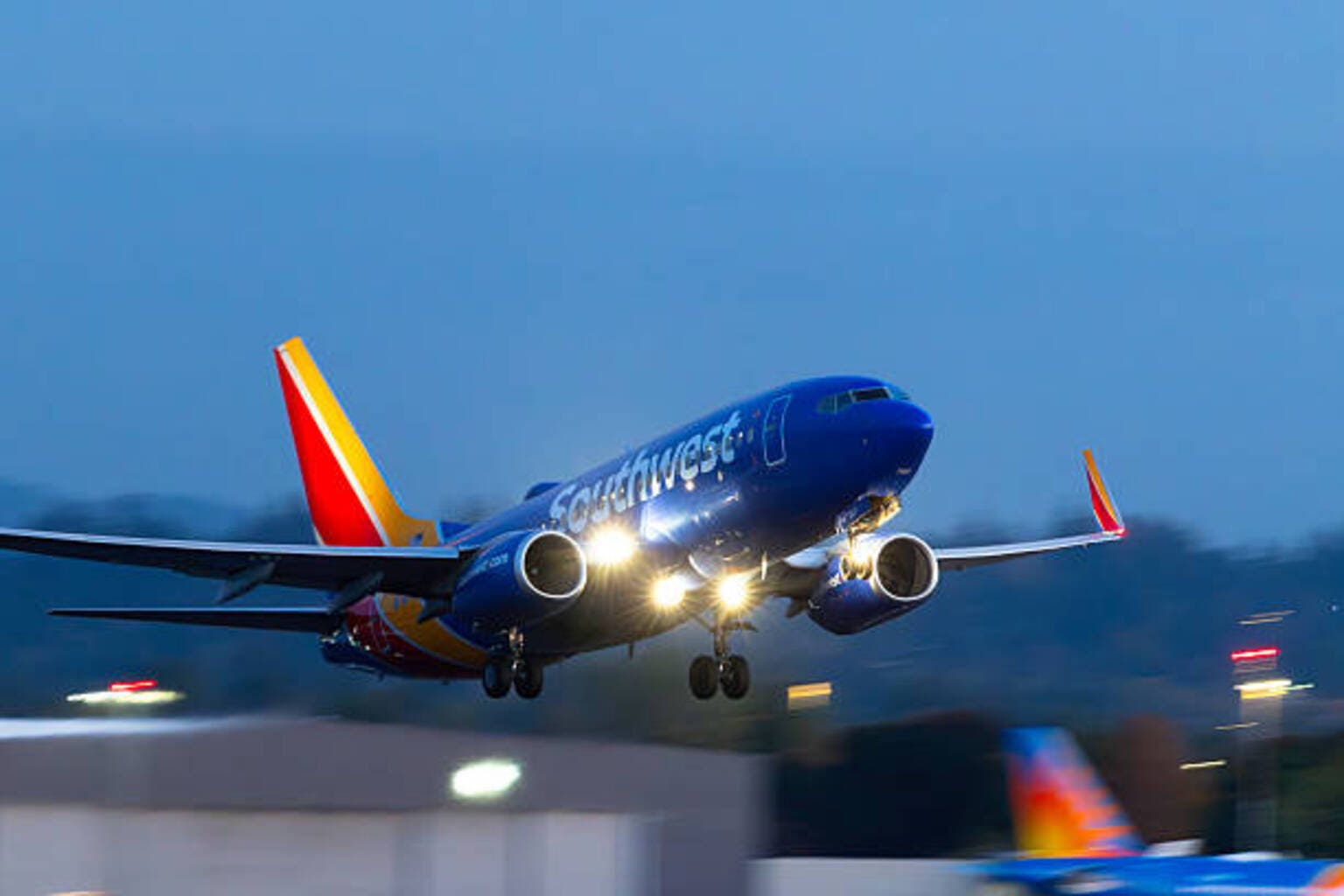
Southwest Airlines (LUV) is positioned to benefit from sustained sub-$70 oil pricing, which reduces jet fuel costs—a major operational expense for carriers. Lower fuel prices expand airline margins and improve profitability without requiring demand-side improvements, creating a tailwind for the carrier's earnings trajectory.
The airline sector remains highly sensitive to crude oil dynamics. At sub-$70 levels, LUV gains structural cost relief compared to higher energy regimes. This tailwind is most effective when combined with stable or growing travel demand, allowing carriers to capture margin expansion rather than pass savings to consumers.
Market correlation suggests this thesis tracks positively with equities, as lower energy costs support broad-based consumer spending and corporate profitability. However, airline valuations remain cyclical and vulnerable to recession signals or demand shocks, limiting the upside to near-term technical breakouts.
Sector implication: Airline upside is contingent on energy price stability and macroeconomic resilience. Sub-$70 oil acts as a cost-tailwind modifier rather than a fundamental growth driver; sentiment remains constructive but data-dependent on fuel averages and travel booking trends.