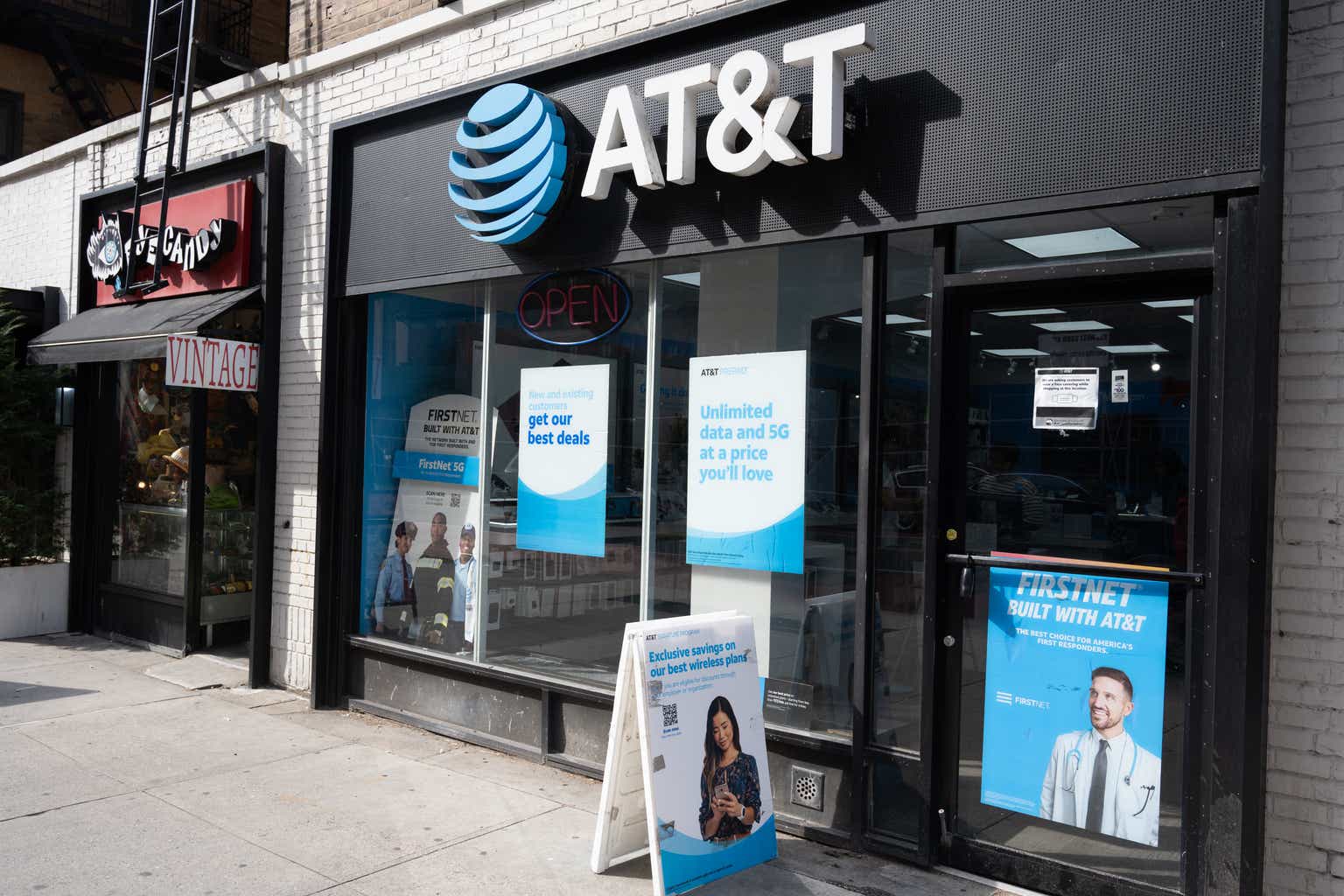
AT&T faces emerging competitive pressure from SpaceX's Starlink satellite internet service, which represents a structural threat to the telecom incumbent's traditional broadband and connectivity moat. This competitive dynamic introduces uncertainty around market share and pricing power in the lucrative high-speed internet segment, where AT&T has historically maintained operational leverage.
Starlink's low-latency satellite infrastructure and expanding coverage footprint create a viable alternative for underserved and rural markets where AT&T's fiber deployment remains incomplete or economically challenged. The threat is asymmetric: Starlink operates under different regulatory and cost structures, while AT&T carries legacy infrastructure and dividend obligations. This competitive imbalance could compress margins in the consumer broadband vertical.
The erosion of AT&T's competitive moat depends on Starlink's execution, regulatory approval timelines, and service reliability at scale. Near-term stock pressure likely reflects valuation rerating around lower growth assumptions for broadband subscribers and average revenue per user. Longer-term, AT&T may be forced to accelerate fiber capex or accept share losses in price-sensitive segments.
Sector implication: Incumbent telecom operators face structural headwinds from non-terrestrial network entrants. This dynamic suggests a defensive rotation away from traditional connectivity providers toward infrastructure plays with unique positioning (fiber-only, enterprise-focused operators) or diversified revenue streams less exposed to satellite competition.