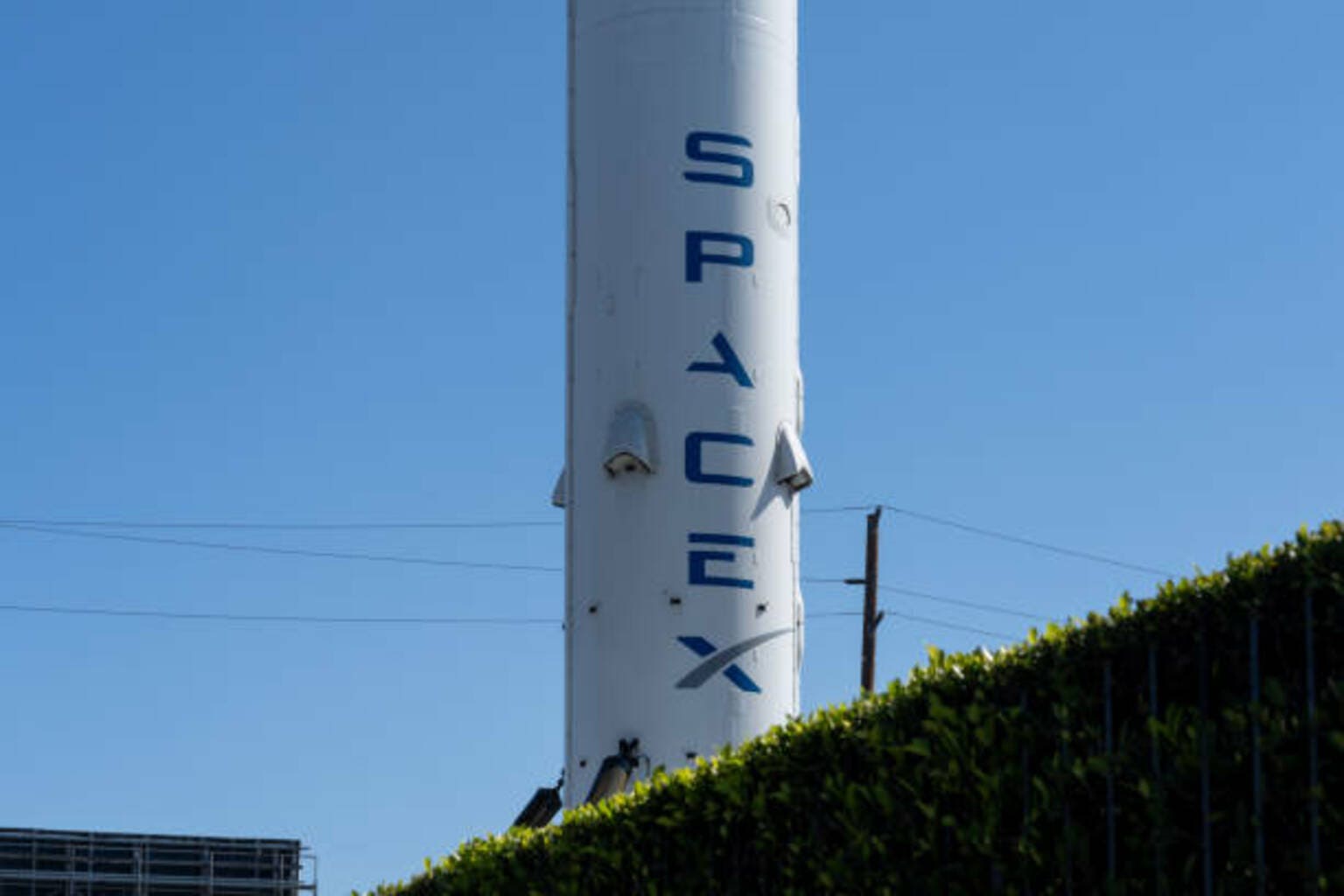
AT&T (T) faces mounting investor concern regarding satellite broadband competition from SpaceX's Starlink, yet fundamental analysis suggests the competitive threat may be overstated. The article argues that terrestrial network infrastructure retains substantial structural advantages in latency, capacity, and reliability that satellite systems cannot easily replicate, particularly for enterprise and dense urban deployments.
The telecommunications sector has endured sustained margin pressure from wireless commoditization and fixed-line subscriber decline. However, fiber deployment and 5G monetization present offsetting growth vectors. Satellite broadband represents a real competitive dynamic, but addressable market overlap remains concentrated in rural/underserved areas where T has lower penetration and return expectations anyway, limiting earnings cannibalization risk.
AT&T's dividend yield and cash flow generation have historically anchored its valuation within the defensive communication space. Market perception of satellite threat may have created a temporary valuation disconnection, presenting a contrarian entry point for income-focused investors concerned about competitive obsolescence.
Sector implication: Traditional telecom operators benefit from near-term margin stabilization and capital discipline, though structural headwinds (cord-cutting, data commoditization) remain unresolved. Satellite competition validates the urgency of fiber/5G capex but does not materially alter long-term sector economics.