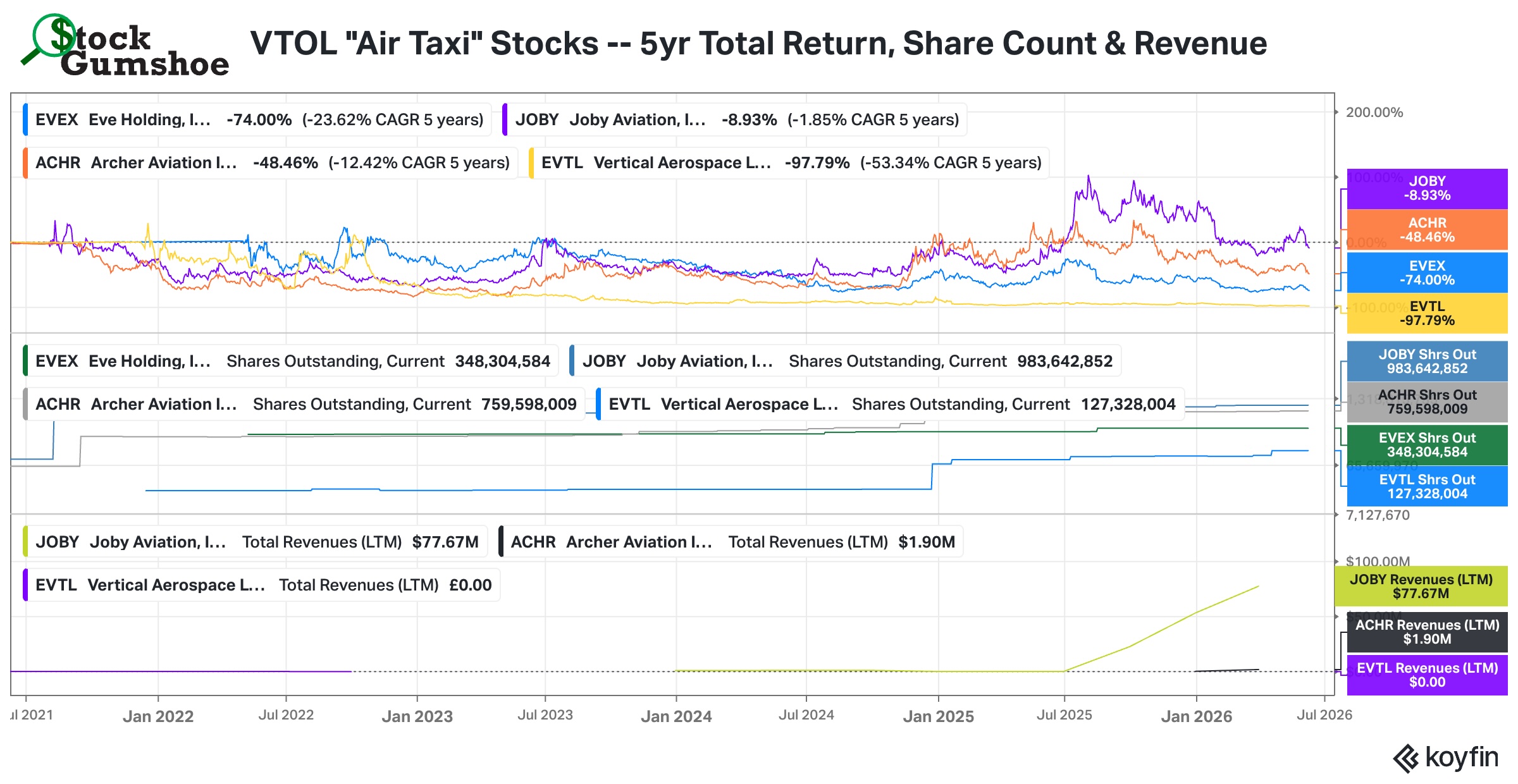
Toyota's $894 million investment signals institutional confidence in advanced mobility technology, likely targeting the electric vertical takeoff and landing (eVTOL) or autonomous vehicle space where JOBY operates. This capital deployment represents heavyweight manufacturing validation of nascent technology categories that Wall Street has largely dismissed or underpriced.
The strategic move implies Toyota completed rigorous due diligence—patent analysis, financial modeling, and technical feasibility studies—suggesting the underlying technology has matured beyond speculative phases. This institutional-grade validation often precedes broader sector recognition and can shift analyst consensus from skeptical to constructive.
TSLA faces competitive pressure from an entrenched automotive leader entering adjacent markets with massive R&D budgets and manufacturing expertise. Toyota's capital commitment indicates the technology landscape is fragmenting beyond Tesla's traditional competitive moat, though near-term market impact remains modest given eVTOL commercialization timelines extend 3-5+ years.
Sector implication: Advanced mobility infrastructure and autonomous technologies gain credibility when legacy manufacturers validate through major capital commitments rather than token partnerships. This reshuffles competitive hierarchies in next-generation transportation, potentially benefiting specialized players while pressuring first-movers lacking manufacturing scale.