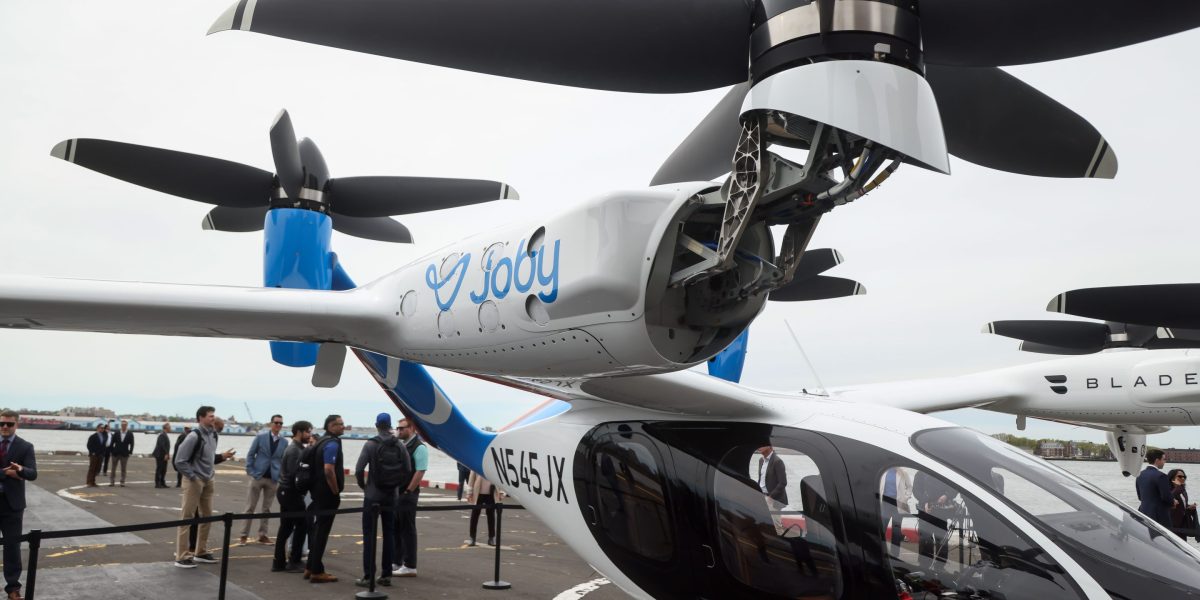
Electric air taxi development is entering a tangible commercialization phase with federal regulatory support enabling real-world testing across U.S. markets this summer. This marks a transition from prototype validation to operational deployment, reducing technology risk for specialized aircraft manufacturers like JOBY and peers in the eVTOL (electric vertical takeoff and landing) segment.
The cargo-first strategy represents a pragmatic pathway to revenue generation and regulatory approval, addressing logistics inefficiencies without immediate passenger safety certification burdens. This sequencing de-risks commercialization timelines and establishes unit economics before expanding to higher-liability passenger operations, supporting investor confidence in near-term viability.
Federal program participation signals policy tailwind for advanced air mobility infrastructure, suggesting government commitment to regulatory harmonization and potential incentive structures. Passenger operations remain 12-24 months distant, but infrastructure development and operational precedent-setting will accelerate technical maturity and insurance underwriting frameworks during interim cargo phases.
Sector implication: Industrial and aerospace-adjacent equities benefit from emerging transportation verticalization, though sustained momentum depends on regulatory scaling and unit economics validation. Technology integration (autonomous systems, battery optimization) positions diversified industrial conglomerates favorably relative to pure-play eVTOL specialists with unproven manufacturing scale.