Extended Market Hours Not a Priority for India: Sebi chairman
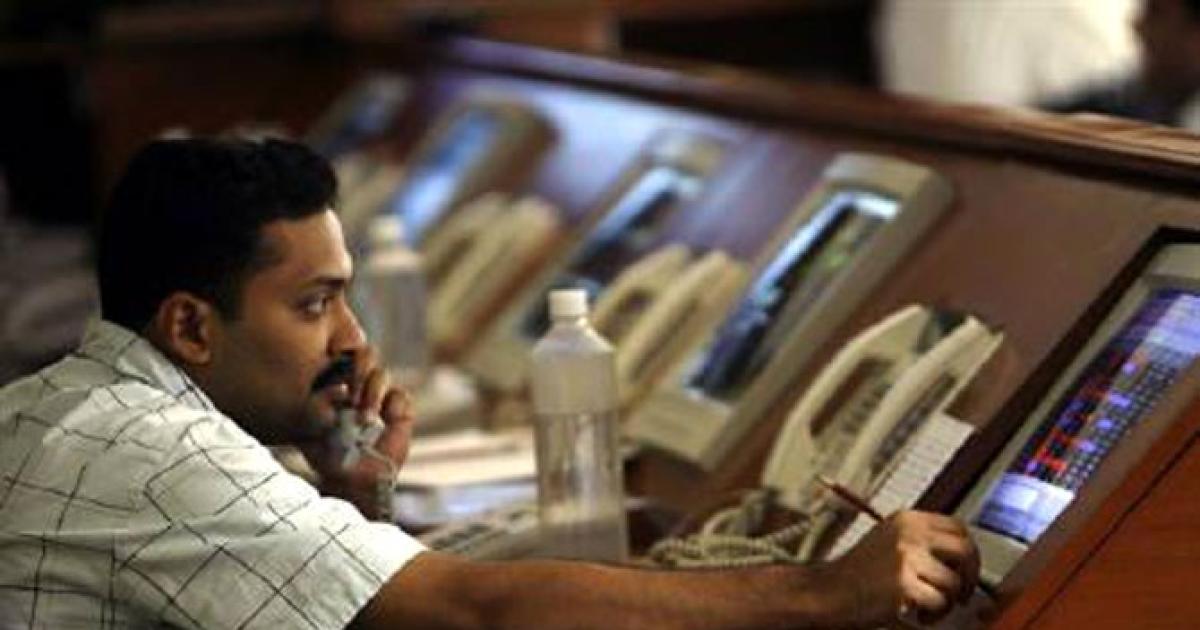
India's Securities and Exchange Board (Sebi) has formally signaled resistance to extending equity market trading hours, a policy decision that reflects institutional caution rather than market fundamentals. Chairman Tuhin Kanta Pandey emphasized that extended hours lack compelling justification when weighed against operational and security risks, positioning this as a governance preference rather than a market-moving catalyst.
The stated concerns—cybersecurity vulnerabilities and potential liquidity fragmentation—highlight structural barriers endemic to emerging market infrastructure. Extended trading hours typically benefit only high-frequency traders and global arbitrage flows, while introducing operational complexity and security surface area for smaller markets. Sebi's stance reflects pragmatic risk management rather than market suppression.
This decision carries minimal implications for Indian equity indices or domestic equities broadly, as it preserves the status quo without altering valuation frameworks or capital flows. Foreign institutional investors already access Indian markets during standard hours; extended sessions would marginally improve marginal participants' execution but do not unlock new capital or change asset allocation.
Sector implication: Financial services operators (exchanges, brokers) may experience reduced transaction volume optionality, but the Indian market's structural growth remains driven by domestic savings, GDP expansion, and corporate earnings—none of which are materially altered by trading-hour policy. This is administrative governance, not investment thesis change.