United CEO Scott Kirby has another 'non-consensus opinion' besides a wealth tax: national service
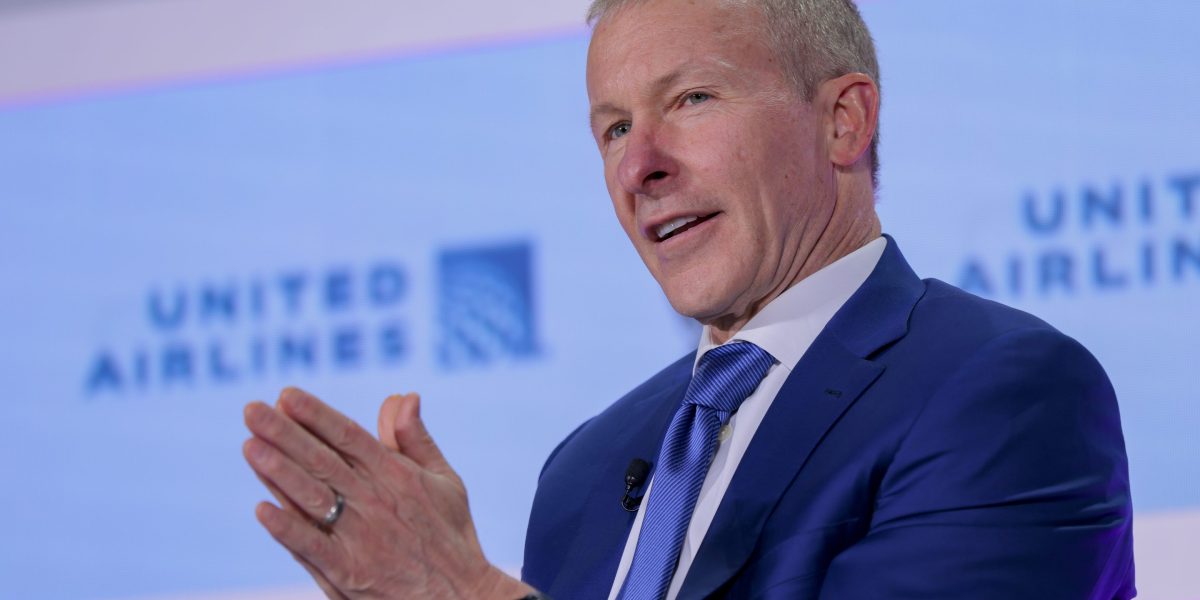
United Airlines CEO Scott Kirby has articulated policy positions on taxation and national service that diverge from conventional business orthodoxy. These statements represent personal political commentary rather than material disclosures affecting the airline's operational or financial trajectory. The CEO's willingness to voice contrarian views on wealth redistribution and civic participation signals a leadership style oriented toward broader societal contribution beyond shareholder returns.
Kirby's public advocacy on fiscal and social policy does not constitute a catalyst for near-term valuation changes. The remarks appear positioned as thought leadership contributions to national discourse, not operational guidance or strategic pivots for UAL. Airlines operate within regulatory and tax frameworks that are subject to political change, but a single CEO's opinion on wealth taxation carries negligible weight in equity pricing models absent legislative movement.
The timing and framing suggest Kirby is positioning himself as a vocal stakeholder in policy debates, which may enhance his influence within business roundtables and regulatory forums. This could create long-term reputational or political capital, but carries no immediate fundamental implications for airline economics—fuel costs, capacity deployment, labor negotiations, and demand dynamics remain the relevant drivers.
Sector implication: Industrials exposure is tangential; this is primarily a governance or ESG narrative rather than a sector-level catalyst. The article lacks pricing-power dynamics, competitive positioning shifts, or macroeconomic headwinds that would materially resonate across the transportation or broader market.