Wall Street Lunch: Trump’s MMR Split Plan Faces FDA Hurdle
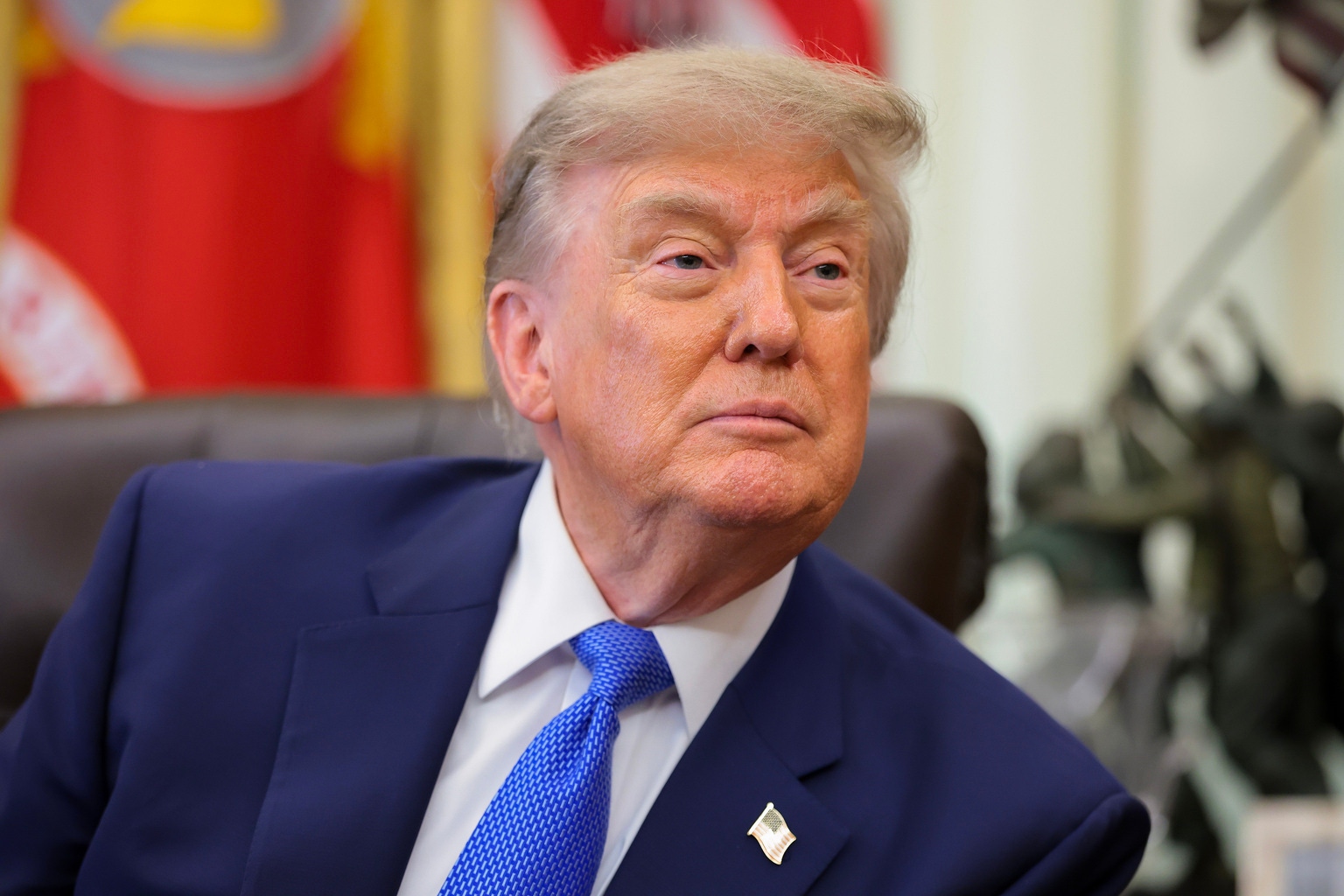
President Trump's executive order targeting the combined MMR vaccine represents a significant regulatory and public health policy shift, but faces substantial FDA licensing barriers. The current U.S. pharmaceutical environment has no individually licensed measles, mumps, or rubella vaccines available, meaning any policy implementation would require lengthy FDA approval processes and manufacturer investment decisions that remain uncertain.
This regulatory hurdle creates a disconnect between executive intent and practical execution. The FDA would need to review and license separate monovalent vaccines, a process that typically spans 1-3 years depending on existing safety data and manufacturing readiness. Vaccine manufacturers including Merck and others would need to assess commercial viability and R&D priorities before committing resources to product development or reactivation of discontinued lines.
The policy uncertainty dampens near-term market catalysts for vaccine-focused producers. While the executive order signals a shift in vaccine policy debate, the lack of existing licensed alternatives means any meaningful market impact would be delayed and contingent on regulatory and corporate decisions that remain fluid. The announcement itself is procedural and statement-driven rather than a direct business catalyst.
Sector implication: Health Care and pharmaceutical sectors face moderate regulatory uncertainty but lack immediate thesis-changing catalysts. The headline reflects political positioning more than actionable market dynamics at this stage.