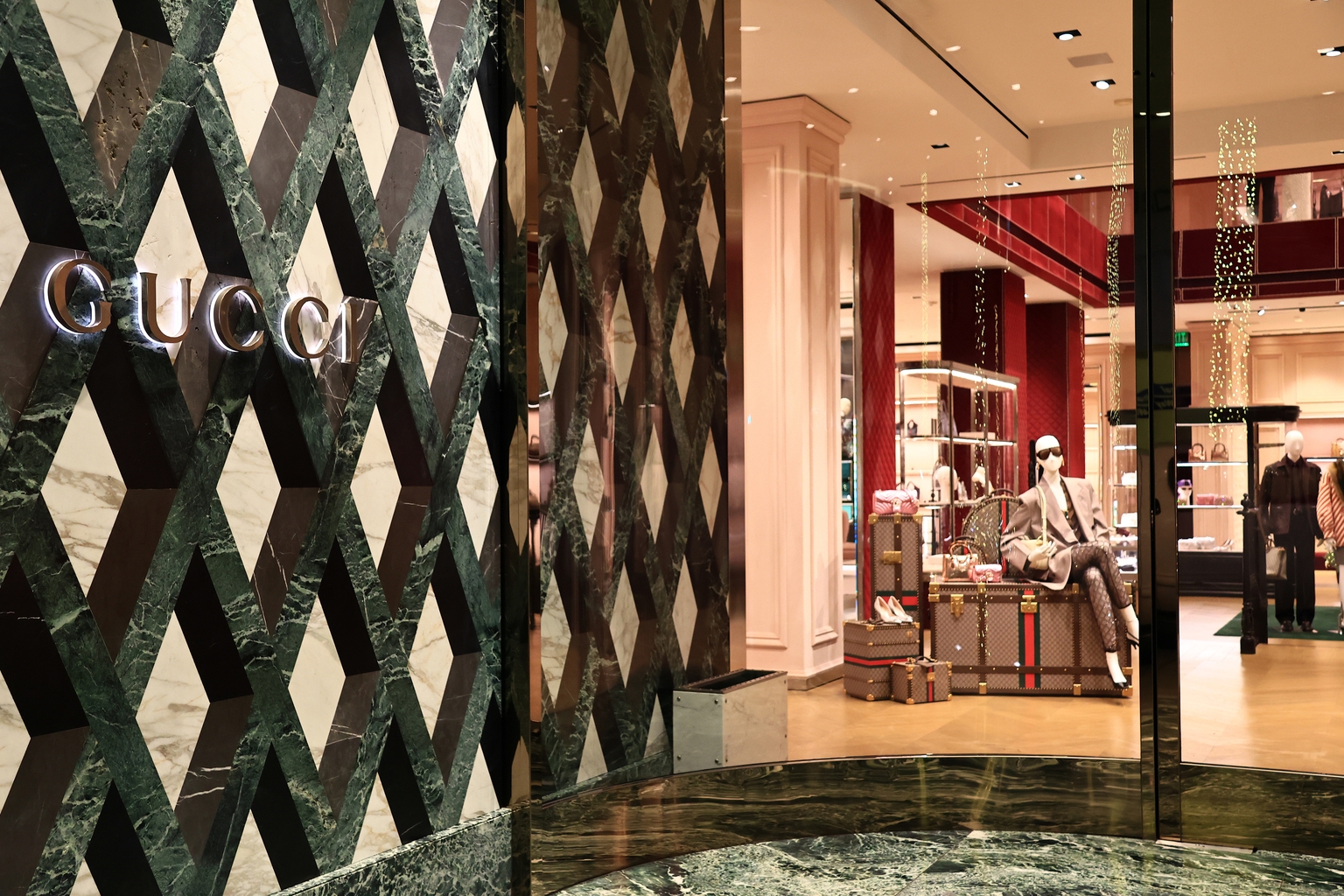
Kering is navigating a strategic inflection point as its Gucci subsidiary stabilizes after a prolonged sales decline. The turnaround reflects deliberate operational restructuring—consolidating retail footprint, optimizing cost structure, and refocusing brand positioning. This recalibration is critical given Gucci's historical revenue volatility and margin compression.
The earnings recovery narrative hinges on two levers: operational discipline in cost management and brand momentum stabilization in luxury goods. Balance sheet restoration signals management confidence in the turnaround trajectory, though execution risk remains material in a cyclically sensitive consumer discretionary environment. Comparable luxury peers face similar luxury-demand headwinds, making relative positioning important.
The timing of this reset coincides with broader luxury sector volatility, particularly sensitivity to Chinese consumer spending patterns and high-net-worth demand elasticity. Success requires sustained Gucci sales stabilization rather than recovery—a narrower thesis than growth acceleration. Retail footprint reduction, while accretive to margins, may constrain geographic expansion optionality.
Sector implication: Consumer Cyclical exposure remains elevated; the thesis is margin recovery and stabilization rather than top-line reacceleration. This reflects defensive positioning within luxury, where brand resilience and operational efficiency matter more than demand expansion in the near term.