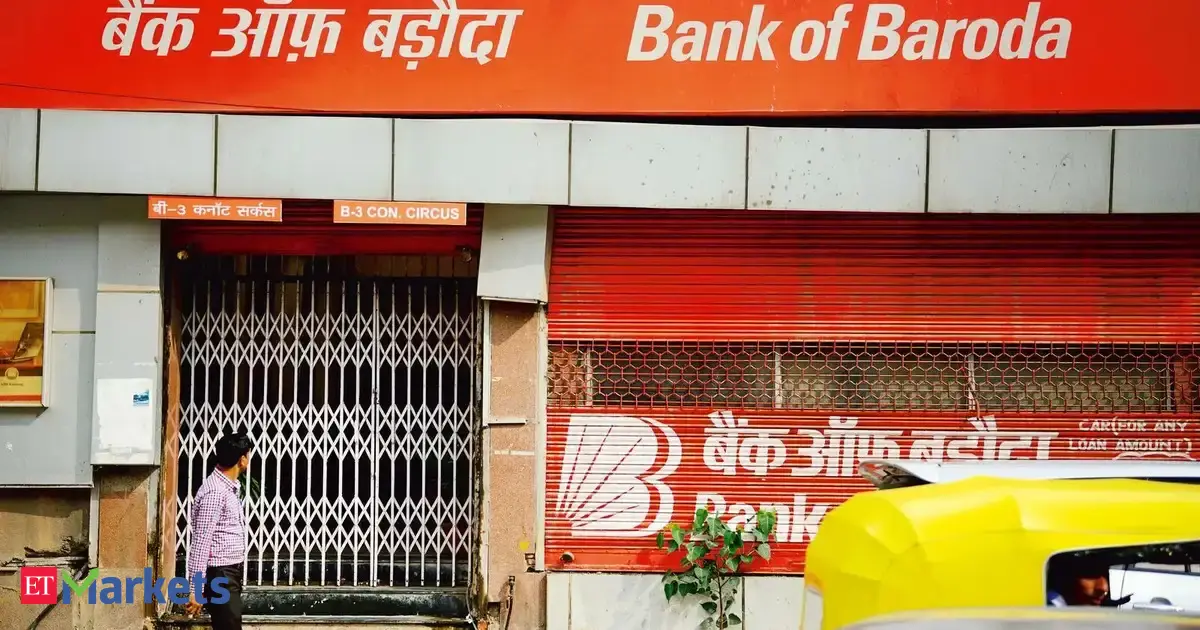
Bank of Baroda completed a $700 million overseas bond issuance across three-year and five-year tranches, marking a procedural capital-raising activity rather than a strategic catalyst. The offering represents routine debt financing execution and does not materially alter the bank's investment thesis or competitive positioning within Indian financial services.
Strong investor demand enabled tighter pricing, indicating adequate market appetite for Indian banking sector credit. This outcome reflects broader sentiment toward Indian bank paper but does not constitute a material catalyst—the bond raising was a scheduled financing activity aimed at utilizing the Reserve Bank of India's special swap window facility for balance-sheet optimization.
The first overseas issuance since 2019 signals restored market access for Bank of Baroda following the COVID-era disruption, but the seven-year gap reflects operational rather than transformational considerations. Capital deployment through this vehicle remains consistent with standard wholesale funding practices across Indian state-owned lenders.
Sector implication: The execution demonstrates stable funding conditions for Indian financial institutions and validates central bank liquidity support mechanisms, but carries minimal systemic or market-moving significance given its routine nature and modest scale relative to broader financial sector dynamics.