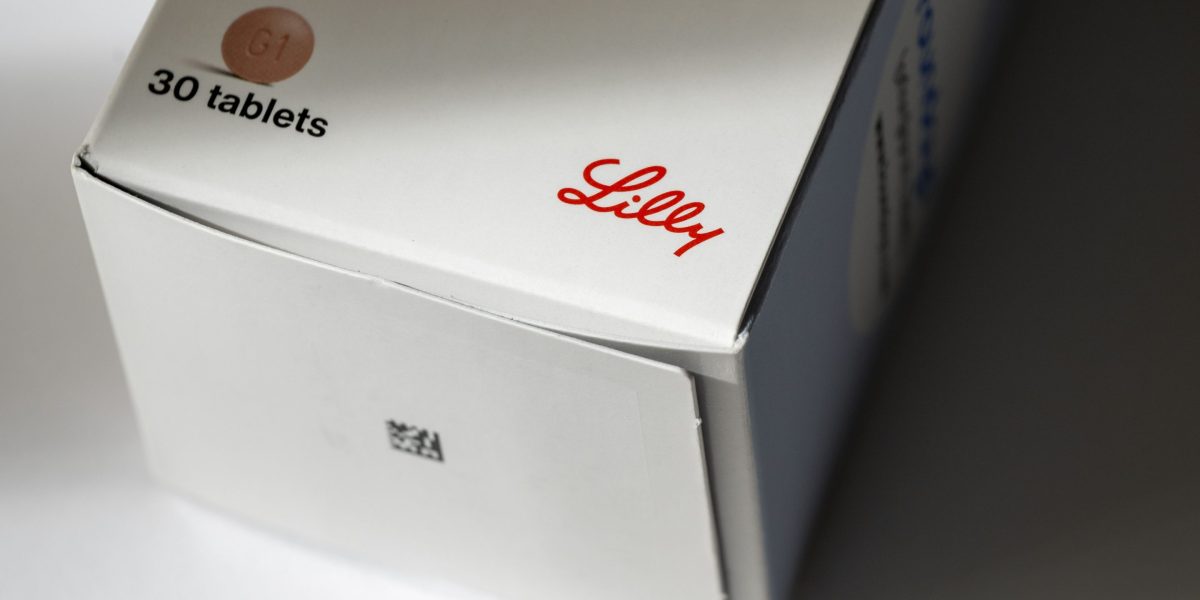
Eli Lilly (LLY) faces mounting pressure from counterfeit weight-loss medications flooding black markets, threatening both revenue integrity and brand reputation. The proliferation of knockoff versions of the company's blockbuster GLP-1 drugs underscores a critical vulnerability in the high-demand obesity treatment segment, where legitimate supply constraints have created lucrative arbitrage opportunities for illicit operators.
The counterfeit market for weight-loss therapeutics poses a multifaceted threat to LLY's commercial strategy. Beyond direct revenue cannibalization, fake products expose the company to liability, regulatory scrutiny, and consumer safety backlash—particularly given the pharmaceutical nature of the treatment and potential adverse outcomes from non-sterile or misdosed counterfeit injectables. This dynamic mirrors prior crises in high-value drug categories and amplifies reputational risk.
The escalation of enforcement efforts signals that LLY recognizes the structural nature of this problem, yet enforcement alone typically cannot solve supply-side constraints that incentivize black markets. Sustained margin pressure may emerge if the company must increase investment in anti-counterfeiting infrastructure, supply chain authentication, or legal action—costs that compete with growth investments in legitimate distribution expansion.
Sector implication: This development highlights regulatory and operational fragility within the high-margin obesity treatment space. It may accelerate industry-wide calls for stricter pharmacy licensing, telehealth vetting, and serialization protocols, raising compliance costs across the Health Care sector while potentially benefiting competitors with stronger supply chain control.