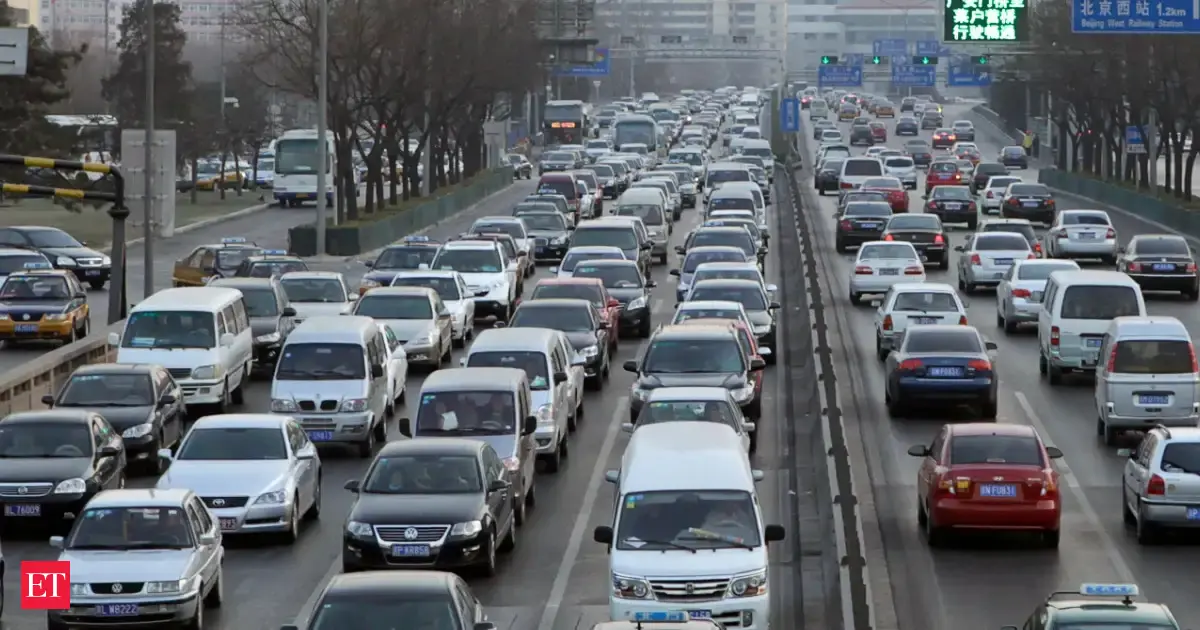
Mercedes, BMW, Volkswagen, Audi, and Porsche are experiencing meaningful market-share erosion in China's automotive sector as domestic EV manufacturers capture pricing-sensitive and technology-forward consumer segments. This reflects a structural shift rather than cyclical weakness, driven by localized manufacturing advantages and rapid iteration cycles in battery and autonomous-driving technology.
The competitive dynamic illustrates a critical vulnerability for legacy European automakers: their premium-brand positioning and manufacturing cost structures create pricing power only in non-price-sensitive geographies. In China—the world's largest EV market—BYD and Xiaomi leverage lower labor costs, domestic supply-chain integration, and software-first design philosophies to undercut traditional luxury margins. German firms face a innovation velocity challenge; their product-development cycles remain misaligned with Chinese competitors' pace.
The strategic implication is that German OEMs must either radically restructure China operations (capex-intensive) or accept permanent share loss in the world's growth market. Neither outcome is benign for earnings-per-share forecasts. European-headquartered suppliers dependent on German automaker volume face secondary headwinds.
Sector implication: Consumer Cyclical weakness in automotive is partially offset by Technology tailwinds for EV-native competitors. The article signals execution risk for legacy auto valuations, particularly those with China revenue concentration above 20% of EBITDA.