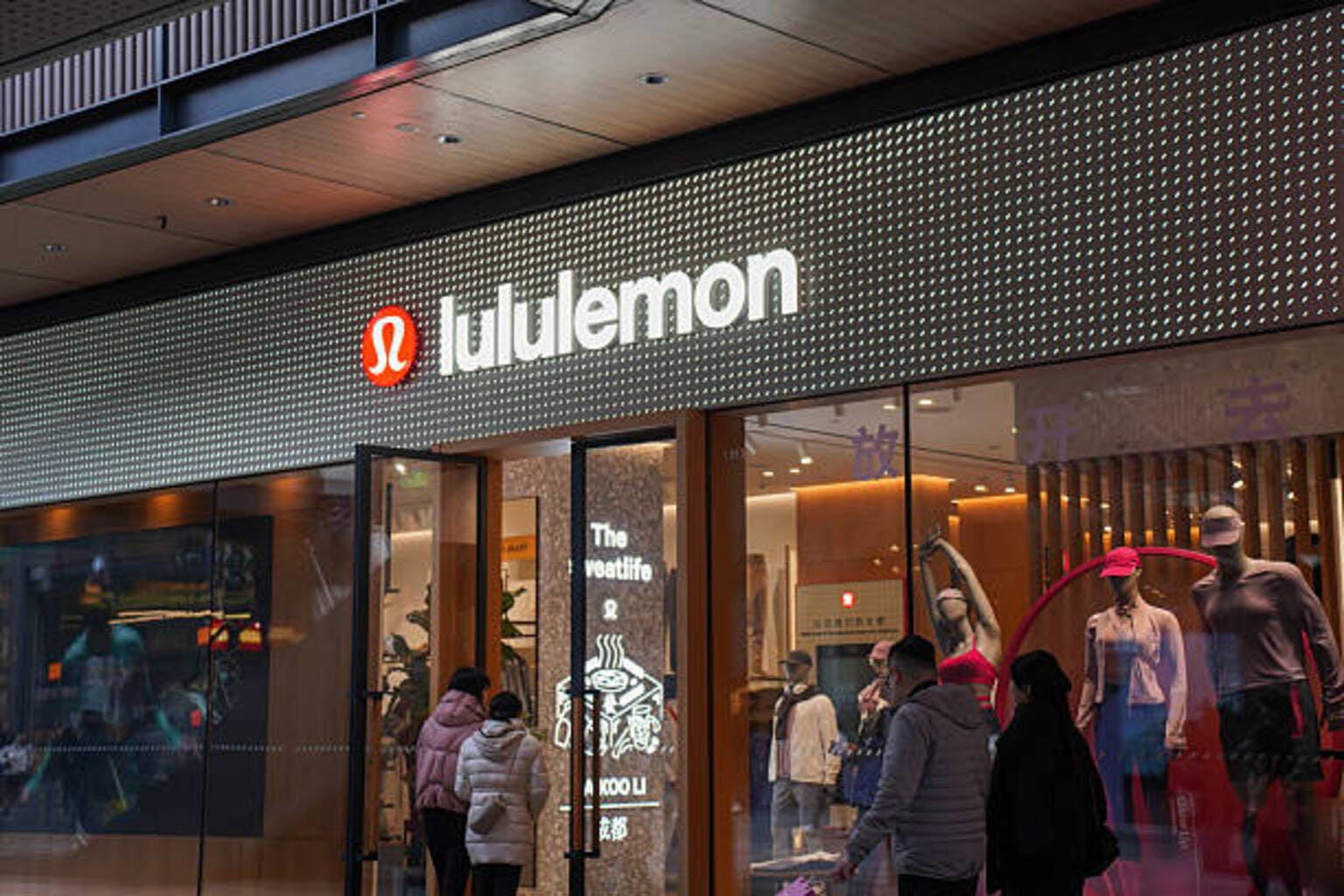
Lululemon is facing headwinds that challenge its premium growth narrative, with revenue expansion decelerating while profitability contracts. The company's flagship Americas market—historically its profit engine—is experiencing sales deterioration, signaling potential demand saturation or competitive pressure in its core demographic. This represents a material shift in the fundamental growth profile that justified its elevated valuation.
International expansion is partially offsetting domestic weakness, yet this geographic diversification does not appear sufficient to restore prior earnings momentum. The divergence between modest top-line growth and declining net income suggests margin compression, potentially from promotional activity, unfavorable product mix, or elevated input costs. This dynamic raises questions about pricing power—a critical metric for luxury-positioned athletic brands.
For LULU investors, the deteriorating growth-to-profitability ratio is significant. The company can no longer rely on the narrative of consistent high-single-digit or double-digit earnings expansion that characterized its bull case. Valuation multiples typically compress when growth inflection turns negative, particularly in the discretionary consumer space.
Sector implication: This performance underscores broader softness in consumer cyclical spending and questions the resilience of premium casual wear categories. The weakness may presage similar challenges for comparable apparel and lifestyle brands facing demand normalization post-pandemic.