Mortgage rates hit highest level in over a year. Here's what it means for homebuyers in the US
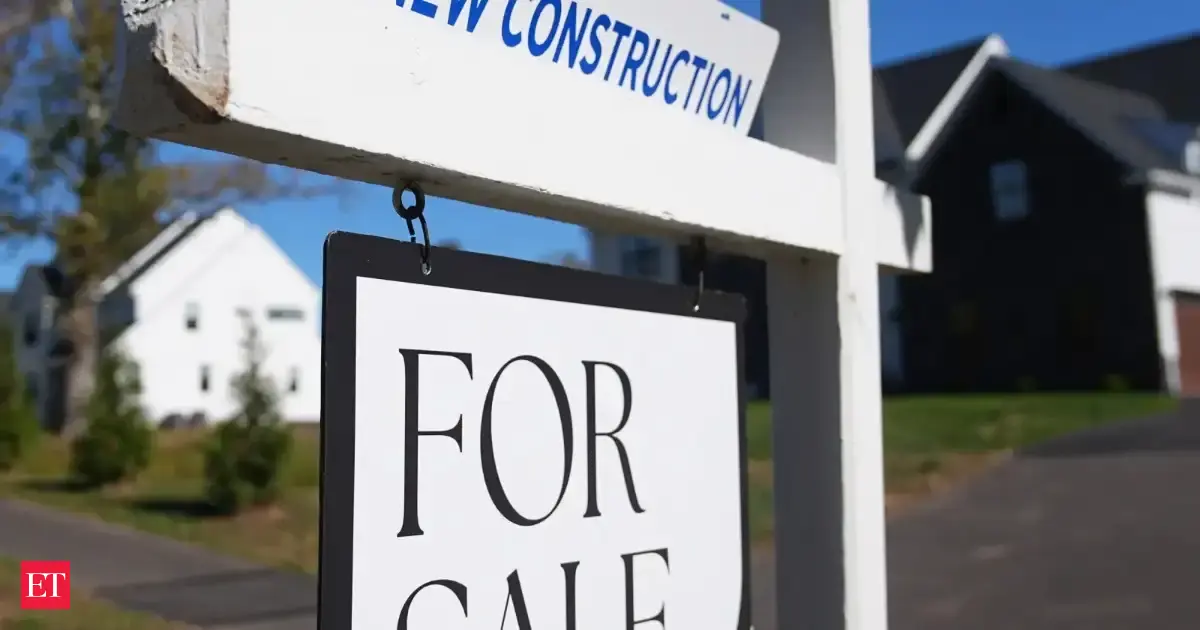
Mortgage rates have reached their highest point in over a year following five consecutive weeks of increases, signaling a tightening monetary environment that dampens housing demand. This rate trajectory reflects broader bond market dynamics and inflation expectations, which constrain borrowing capacity for homebuyers and reduce purchasing power at the margin.
The climb in mortgage costs directly pressures residential real estate activity by raising monthly payment obligations on new purchases. Homebuilders like LEN and DHI, along with mortgage originators such as RKT, face headwinds from slowing transaction volumes and reduced refinancing activity. The modest decline in 15-year rates provides limited offset, as refinancers represent a smaller addressable market than purchase-driven borrowing.
Higher borrowing costs trigger a cascade of negative signals: reduced affordability, lower sales velocity, potential margin compression for lenders, and inventory dynamics shifts. This environment typically correlates with consumer hesitation in discretionary housing-related spending, cascading into appliance, furniture, and construction materials demand.
Sector implication: The real estate sector faces pronounced headwinds, with homebuilders and mortgage servicers most exposed to the negative cycle. Financial services providers reliant on mortgage origination volume will see reduced fee income. Consumer cyclical exposure intensifies as housing-dependent discretionary spending declines.