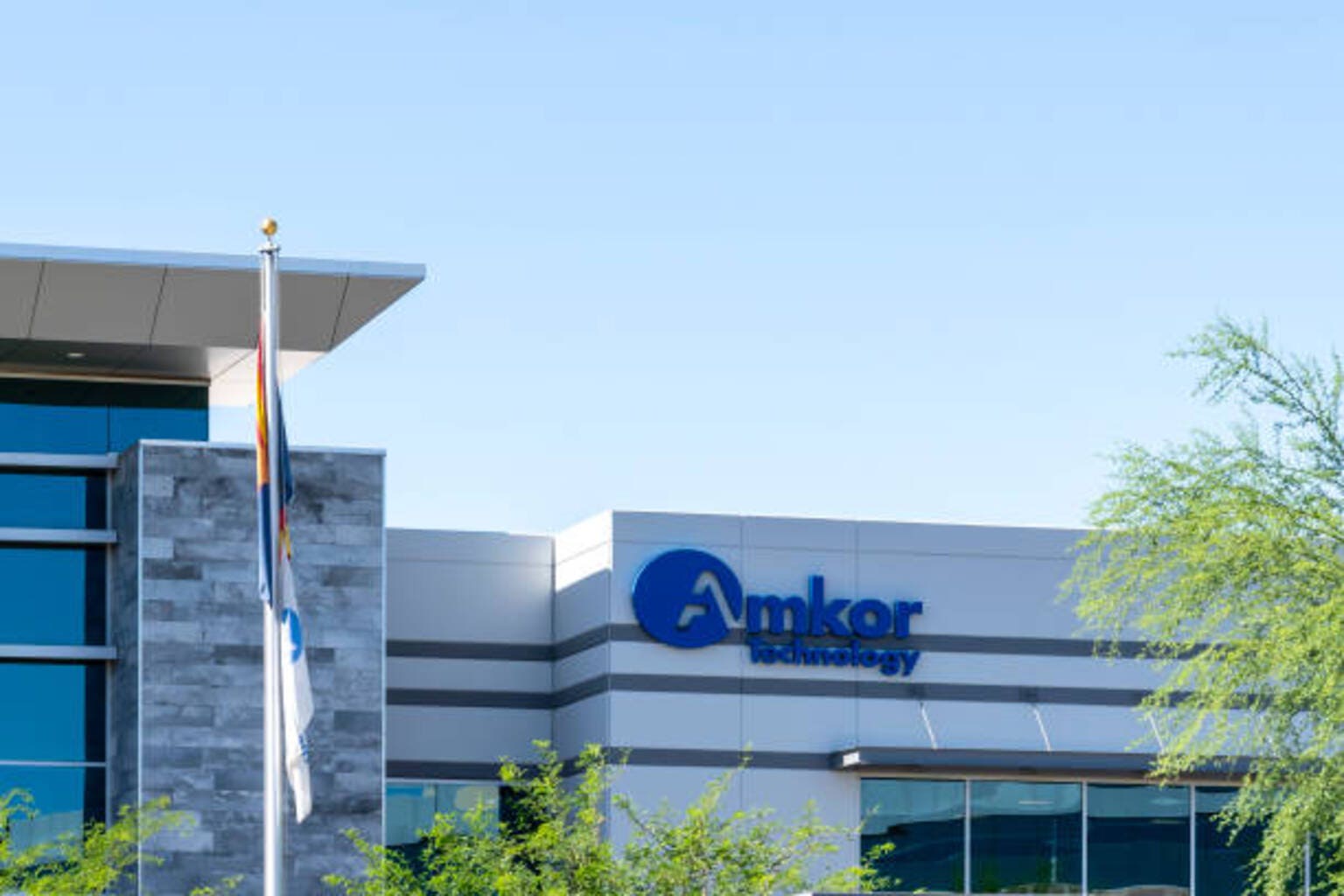
AMKR demonstrates valuation compression relative to its organic growth trajectory, creating a potential asymmetry for informed investors. The semiconductor packaging specialist benefits from structural tailwinds in advanced chiplet architectures and heterogeneous integration demand, where traditional valuation multiples may underweight revenue sustainability metrics.
Long-term strategic partnerships with TSMC and NVIDIA provide demand certainty and pricing stability in a cyclical industry prone to capacity uncertainty. These contracted relationships reduce execution risk and allow management to guide capital allocation with higher conviction, supporting margin expansion as utilization rates climb through the cycle.
Advanced packaging represents a secular shift in semiconductor manufacturing economics. As chipmakers transition from planar to 3D architectures, outsourced assembly providers like AMKR capture disproportionate value. The company's operational leverage on incremental volume becomes pronounced once fixed costs are absorbed, suggesting operating margin expansion ahead of revenue growth rates.
Sector implication: This thesis reflects a broader semiconductor supply chain consolidation narrative favoring specialized equipment and services vendors. The divergence between valuation and growth visibility in specialty semiconductor infrastructure suggests capital reallocation risk within the Technology sector as mega-cap chipmakers maintain premium multiples while ancillary vendors trade at discounts despite superior growth profiles.