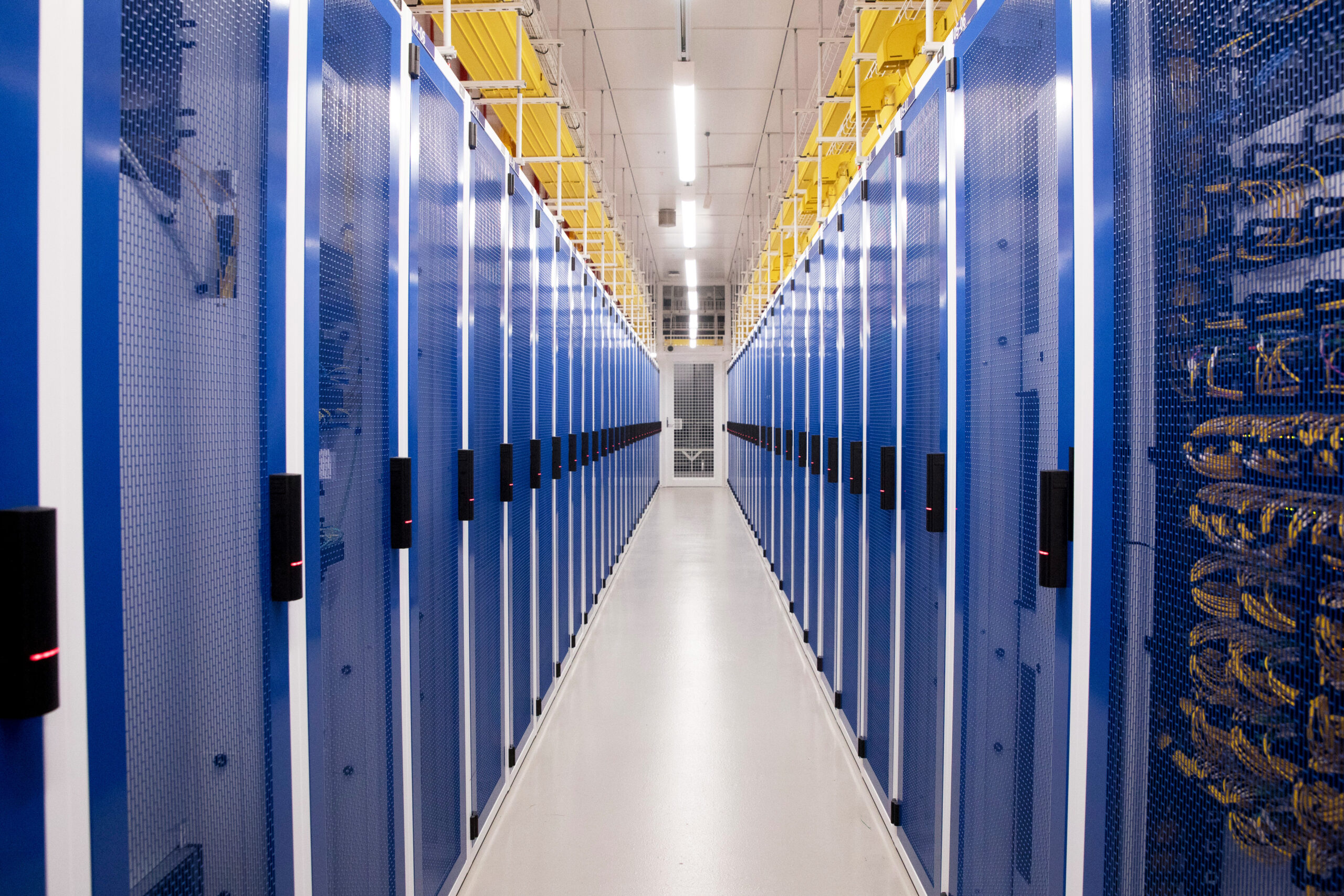
A House panel investigation reveals that major US telecommunications carriers inadvertently exposed critical infrastructure to foreign cybersecurity threats by connecting operational systems to data centers without adequate isolation protocols. This structural vulnerability in how carriers architected their networks suggests systemic risk across the sector's core infrastructure rather than isolated operational lapses.
The China-linked threat amplifies geopolitical tensions and regulatory scrutiny on TMUS, VZ, and AT. Congressional attention signals potential mandate for mandatory infrastructure audits, compliance upgrades, and possible sanctions against affected carriers. Insurance and liability exposure compounds the downside risk as breach-related claims cascade through underwriting markets.
Telecommunications carriers face dual headwinds: immediate operational remediation costs and longer-term capital expenditure requirements to segregate legacy systems. Data center operators and cloud infrastructure providers may face indirect demand as firms rebuild with hardened architecture, though reputational damage dominates near-term sentiment.
Sector implication: The Communication sector faces elevated regulatory and operational risk premiums. Cybersecurity concerns typically trigger defensive portfolio rotations away from infrastructure-dependent telecom equities toward less exposed defensive sectors. This breach also raises broader questions about supply chain resilience in critical infrastructure, potentially accelerating government intervention frameworks.