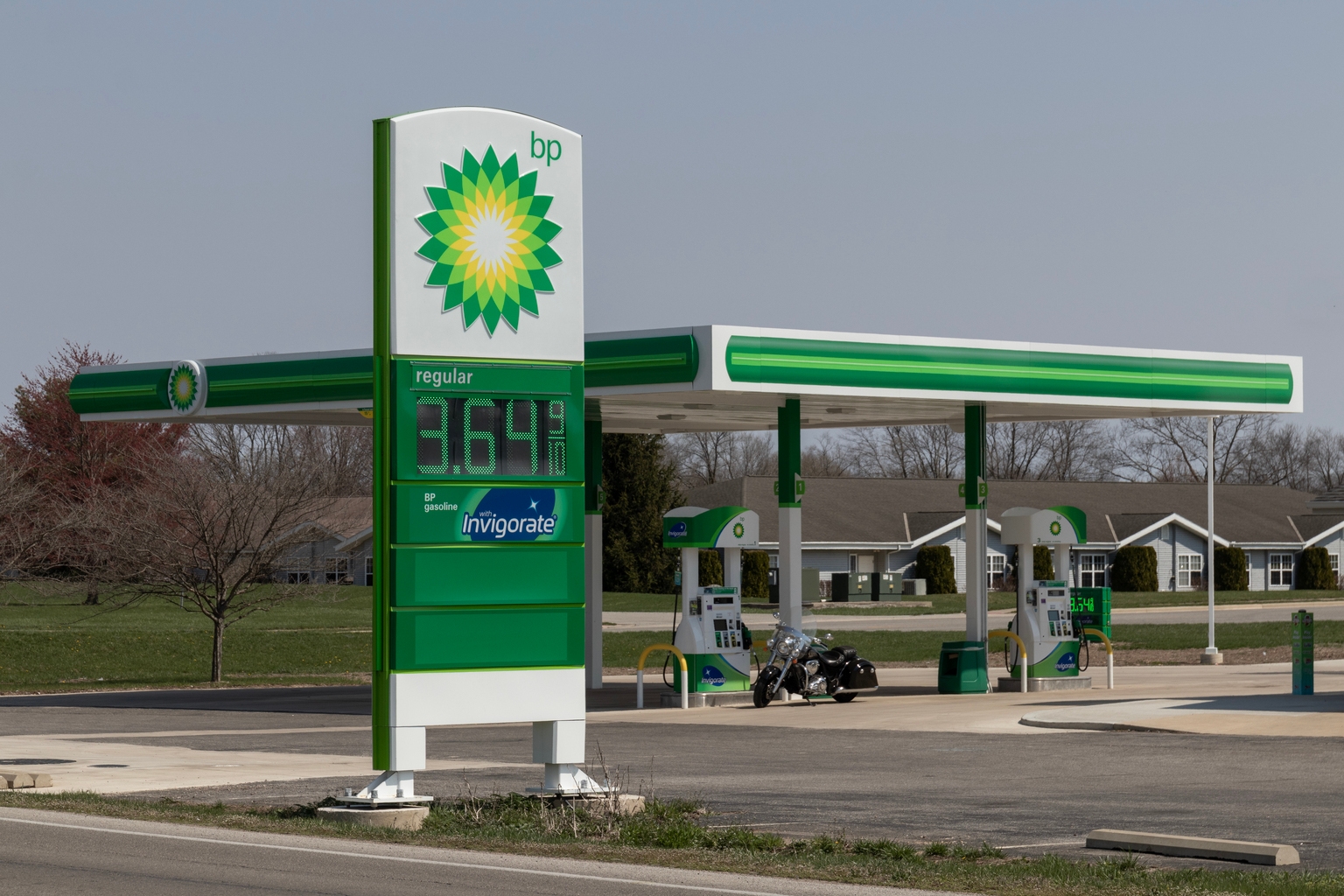
BP delivered Q2 results that exceeded consensus expectations, driven by robust refining margins and favorable crude spreads. The earnings beat reflects operational strength in downstream activities and resilience amid volatile commodity pricing. However, management's cautious capital allocation posture suggests underlying concerns about energy transition and macroeconomic sustainability.
CEO Meg O'Neill's disclosed debt-reduction strategy represents a defensive pivot rather than growth acceleration. By prioritizing balance sheet strength over shareholder distributions, BP signals confidence in long-term cash generation but tempers near-term return expectations. This approach mirrors broader supermajor trends toward fortress balance sheets.
The dividend and buyback outlook hinges on sustained refining spreads and crude prices. If margins compress—a real risk given cyclicality—shareholder payouts face pressure despite strong near-term fundamentals. Capital discipline may support share buybacks if debt targets are met ahead of schedule, offering modest upside.
Sector implication: Energy majors benefit from elevated refining economics, but macro headwinds and energy transition investments constrain multiple expansion. BP's earnings strength is sector-positive but its defensive stance reflects structural uncertainty, limiting rally sustainability. Correlates positively with oil/gas prices and inversely with renewable energy sentiment.