Will Nifty & Sensex continue to diverge? What new stock market timings, closing auction session mean
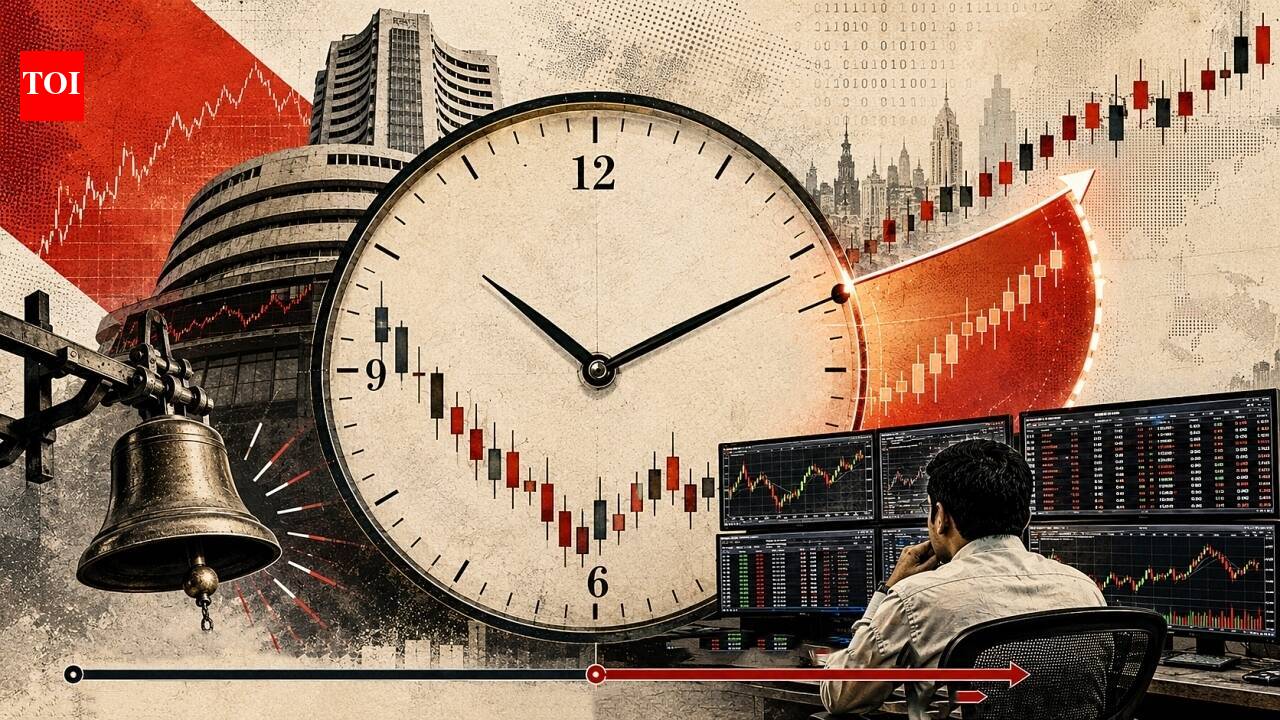
India's stock market has introduced structural changes to trading mechanics, including revised session timings and a new closing auction mechanism. These procedural modifications affect the Nifty and Sensex indices, which track the country's largest equity listings. The divergence between these benchmark indices reflects differential exposure to the operational changes and investor adaptation periods.
Technology stocks including INFY and CTS represent significant index weightings in Indian equity markets. The new closing auction session and timing adjustments create execution uncertainty for large-cap trades, potentially widening bid-ask spreads and increasing volatility during transition and auction phases. Institutional traders face relearning optimal execution strategies under revised market structure.
The confusion identified among market participants stems from simultaneous implementation of multiple rule changes rather than fundamental valuation shifts. Market-on-close algorithms and passive fund rebalancing mechanisms will require recalibration to accommodate new closing windows and auction mechanics, creating temporary friction in price discovery.
Sector implication: Information technology and financial services sectors bear elevated operational complexity during this transition period. The structural nature of these changes suggests near-term trading friction but lacks directional bias, positioning this as a procedural rather than fundamental market event with limited correlation to broader global equity trends.