thyssenkrupp: The Conglomerate Discount Is Being Distributed Back To Shareholders
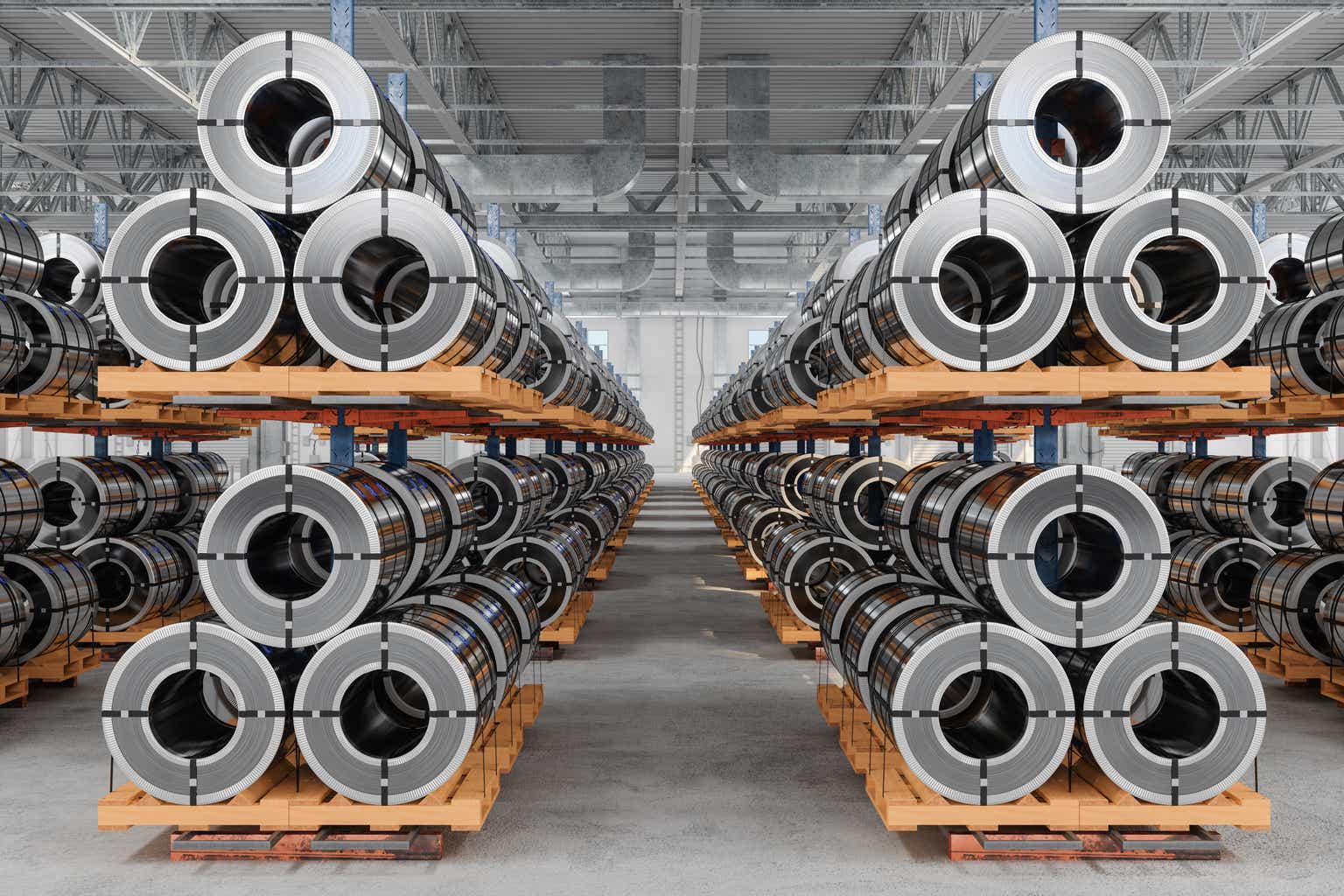
thyssenkrupp is executing a structural transformation from diversified conglomerate to holding company, a strategic shift that addresses long-standing investor concerns around valuation discounts typical of multi-segment industrial players. The company's move mirrors similar European industrial reorganizations aimed at releasing trapped shareholder value.
The Q2 margin expansion signals operational momentum within core divisions, while announced spin-offs of TKMS and tk accelis subsidiaries represent active monetization of the conglomerate discount—a phenomenon where diversified holding companies trade at valuations below their sum-of-parts worth. By separating businesses into independently traded entities, management is attempting to restore pricing efficiency in capital markets.
This strategy carries execution risk; spin-off complexity, regulatory approval timelines, and market receptivity to newly independent entities will determine whether value creation materializes. Industrial conglomerates have faced persistent headwinds from investor preferences toward pure-play exposure and focused operational strategies.
Sector implication: The Industrials and Basic Materials sectors may experience modest momentum from successful separations, though outcomes depend on post-spin competitive positioning and macroeconomic demand for cyclical manufacturing and steel-related products. Spin-off announcements typically register as neutral-to-positive signals absent significant execution concerns.