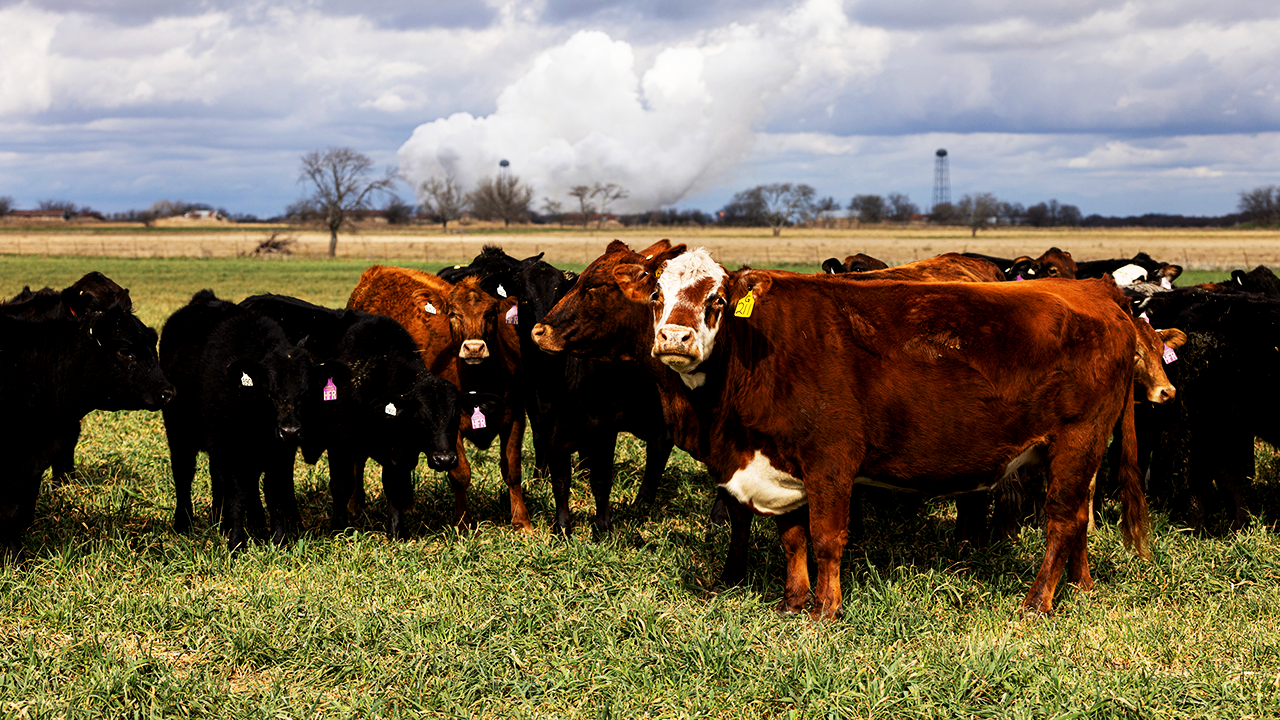
Tyson Foods (TSN) reported a $138 million loss in its beef division, signaling structural headwinds within the meatpacking segment. The loss reflects ongoing cattle cycle shortage dynamics that have compressed margins despite elevated consumer prices, indicating a demand elasticity problem where price increases are not offsetting input cost pressures.
The disconnect between high retail beef prices and the company's deteriorating profitability underscores a fundamental supply constraint. CEO Donnie King's acknowledgment that beef "hasn't performed as expected" suggests the company overestimated demand resilience at higher price points, a critical signal for consumer staples demand expectations in an inflationary environment.
For Consumer Cyclical exposure, elevated beef prices may accelerate category substitution toward poultry and plant-based alternatives, potentially benefiting competitors in adjacent protein markets. The cattle cycle shortage is cyclical, not structural, but near-term margin recovery appears unlikely if volume declines persist alongside input cost volatility.
Sector implication: This earnings miss suggests consumer price sensitivity in premium protein categories remains intact despite wage growth. Broader implications favor defensive food producers with diversified protein portfolios over concentrated beef exposure. Market correlation is muted as this reflects company-specific operational challenges rather than systemic macroeconomic shifts.