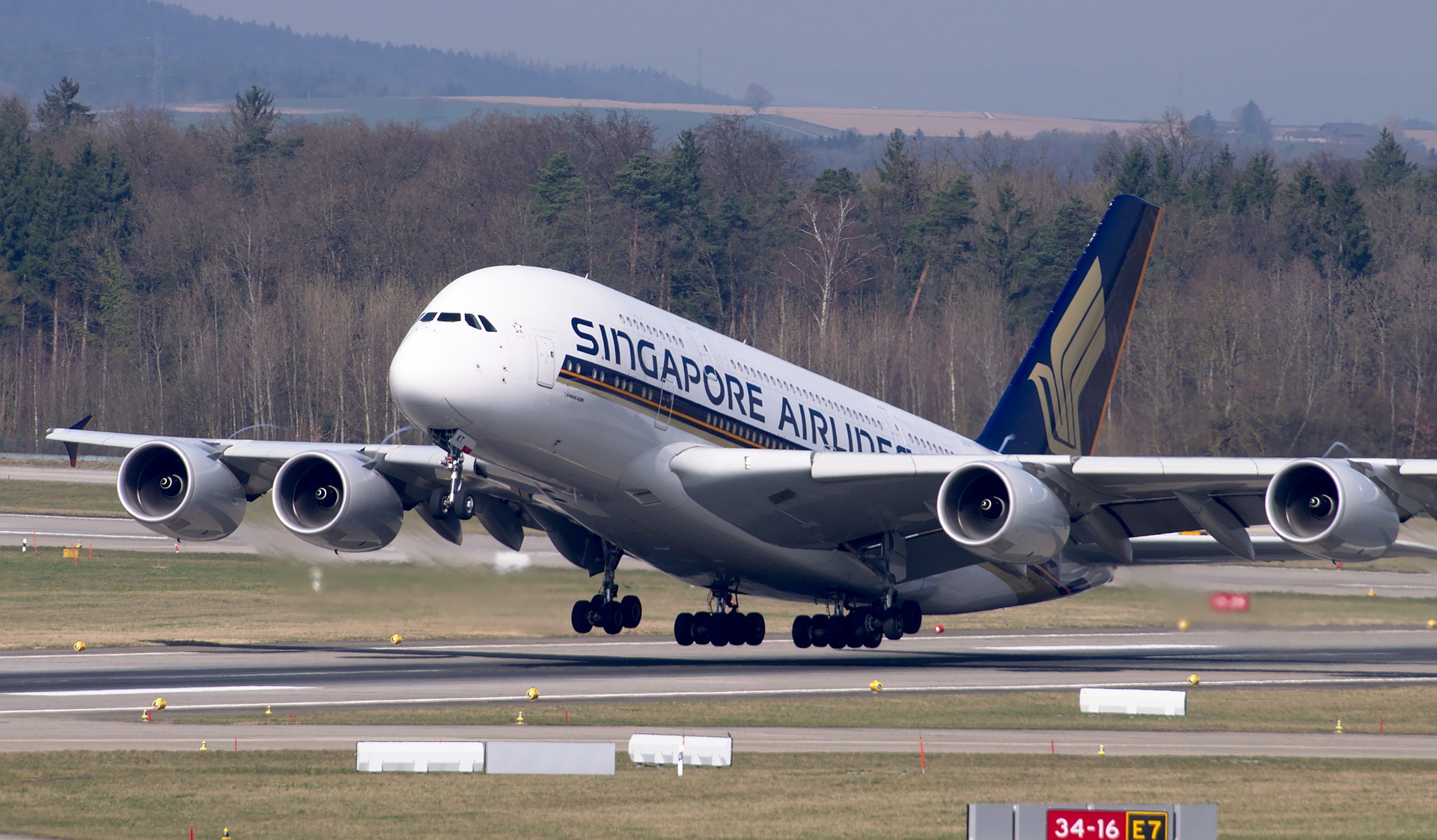
Singapore Airlines has demonstrated a nominal recovery trajectory since pandemic-era lows, yet underlying operational metrics reveal structural headwinds. The airline reported record revenue in a recent quarter while simultaneously posting a net loss, signaling margin compression despite top-line growth—a classic indicator of pricing power deterioration and cost inflation outpacing revenue gains.
This paradox reflects the post-pandemic aviation industry's core challenge: demand recovery has not translated into profitability restoration. Rising fuel costs, labor inflation, and intensified competitive pricing in regional Asia-Pacific routes are likely compressing unit economics faster than revenue can scale. The divergence between record sales and operating losses suggests management faces structural rather than cyclical pressures.
Forward-looking risks include sustained fuel volatility, potential demand normalization as consumer spending moderates, and geopolitical disruptions to trade routes. Investors should monitor load factors, yield trends, and capital expenditure plans—each critical to assessing whether the airline can restore pre-pandemic margin profiles or faces prolonged profitability challenges.
Sector implication: Aviation and transport stocks face renewed scrutiny as post-pandemic demand normalization intersects with persistent input cost inflation, reinforcing defensive positioning in cyclical industrials during macro uncertainty.