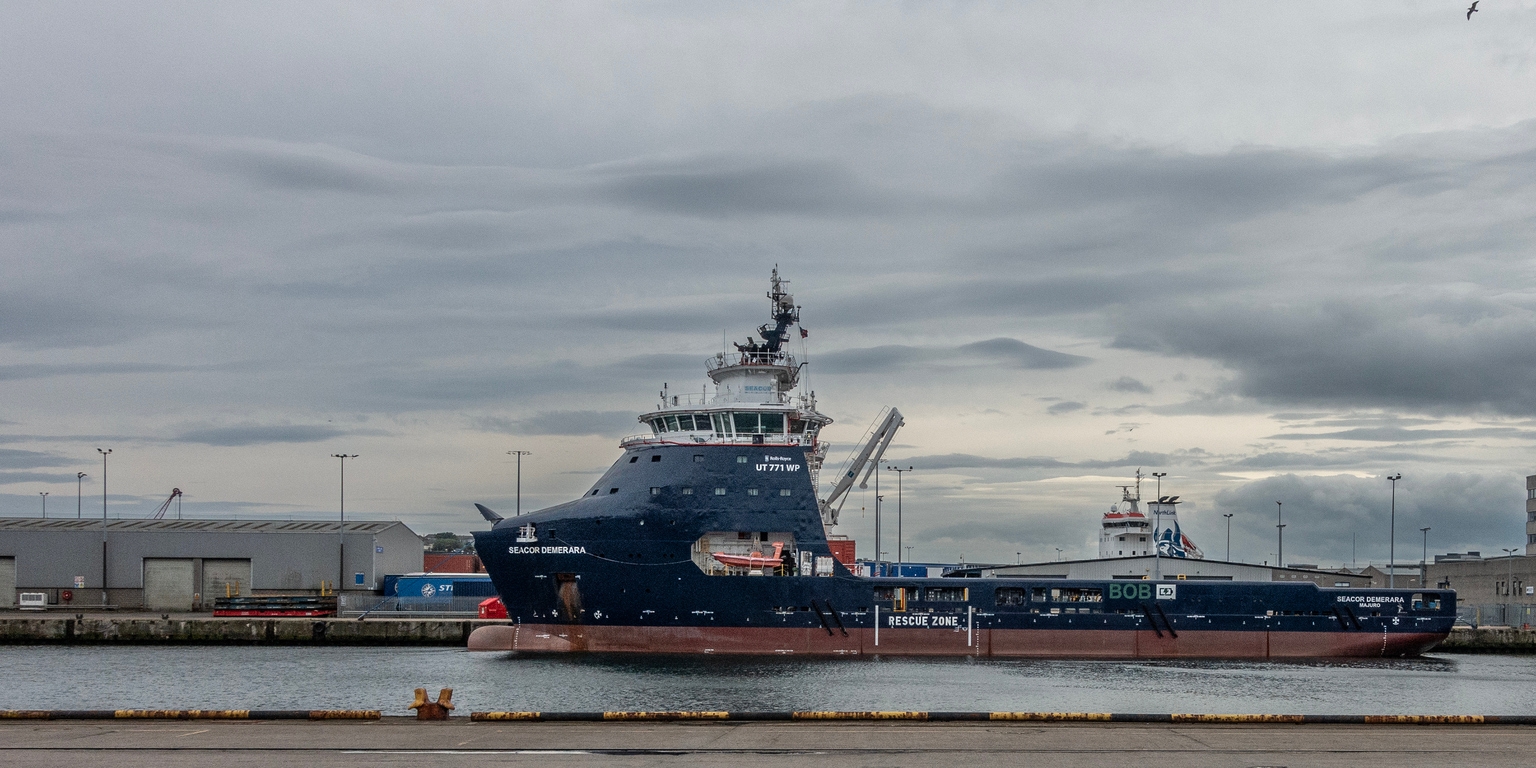
SMHI's Q2 earnings beat reflects operational momentum in offshore marine services, but underlying profitability constraints remain structural. The company's cash burn and margin compression indicate persistent headwinds in vessel utilization and pricing dynamics within the marine support sector, which remains cyclically challenged by energy spending patterns.
Management's initiation of a strategic alternatives review signals potential M&A catalysts. Market participants interpret auction processes favorably because buyers often pay takeover premiums to acquire established fleets and service contracts, creating asymmetric upside for shareholders at current valuations. This is particularly relevant for operationally stable but capital-intensive businesses with limited standalone growth trajectories.
The bullish case hinges on acquisition probability rather than fundamental turnaround metrics. Larger marine or offshore conglomerates may value SMHI's asset base and customer relationships despite margin pressure, justifying acquisition multiples above standalone trading levels. Timing of such processes typically spans 6–12 months, introducing duration risk for tactical positioning.
Sector implication: Marine support and offshore services remain structural beneficiaries of deepwater energy production and renewable energy infrastructure deployment. However, SMHI's specific catalysts are company-driven (auction) rather than sector-driven, reducing correlation with broad Industrials or Energy indices. Risk-adjusted exposure favors event-driven thesis over cyclical recovery timing.