Pentagon boosting THAAD interceptor production with Northrop Grumman, Lockheed Martin deal
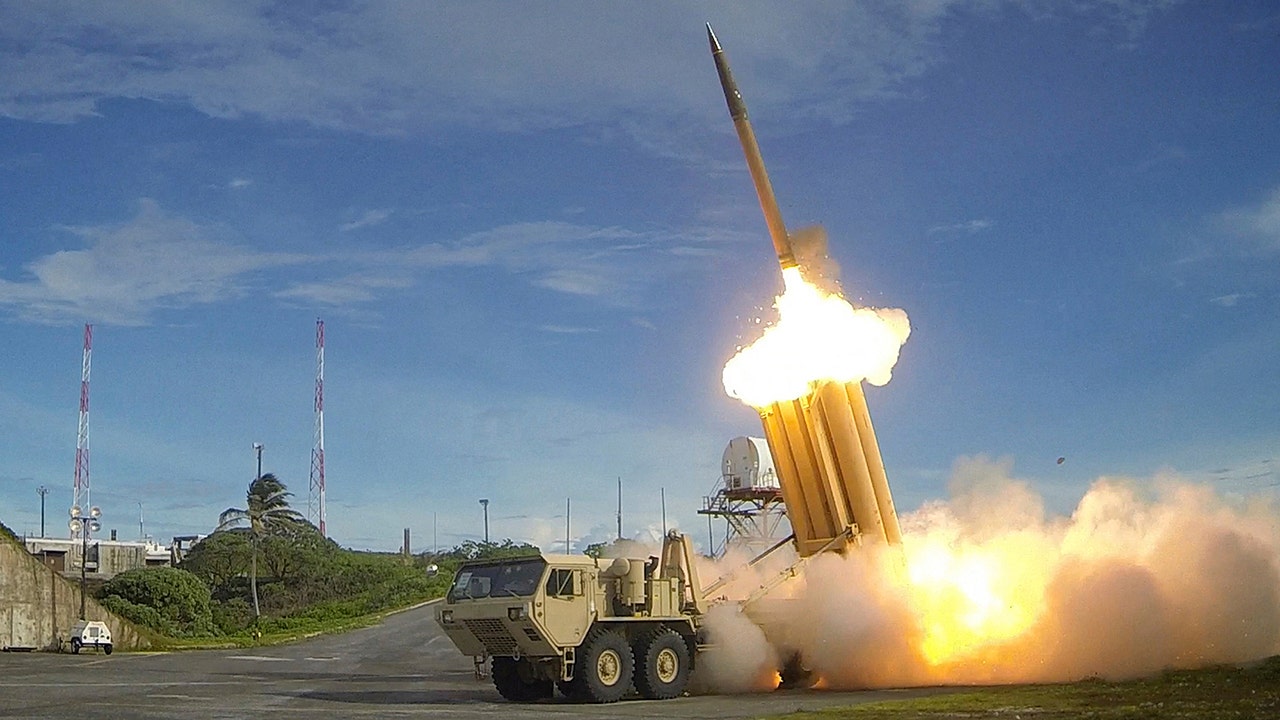
The Pentagon's framework agreement with Lockheed Martin and Northrop Grumman to quadruple THAAD interceptor production and triple PAC-3 missile output represents a significant defense procurement expansion. This decision signals sustained geopolitical tension and elevated U.S. military readiness spending, positioning defense contractors for multi-year revenue visibility.
The production scaling is material for both primes. LMT and NOC will benefit from increased manufacturing utilization, supply chain engagement, and margin expansion as volume ramps. Defense procurement typically carries long-term contract extensions, reducing revenue uncertainty and supporting valuation multiples.
This framework addresses air-defense capability gaps at a time of heightened concerns regarding adversarial threats. The dual-vendor approach mitigates geopolitical risk while ensuring industrial base resilience—a policy preference under the current administration that favors domestic defense manufacturing capacity.
Sector implication: Defense-industrial complex stocks, particularly Industrials and supplier tiers, benefit from sustained government commitment to weapons system production. The multiplier effect extends to materials suppliers and electronics vendors supporting missile platforms, creating broad exposure across the defense supply chain.