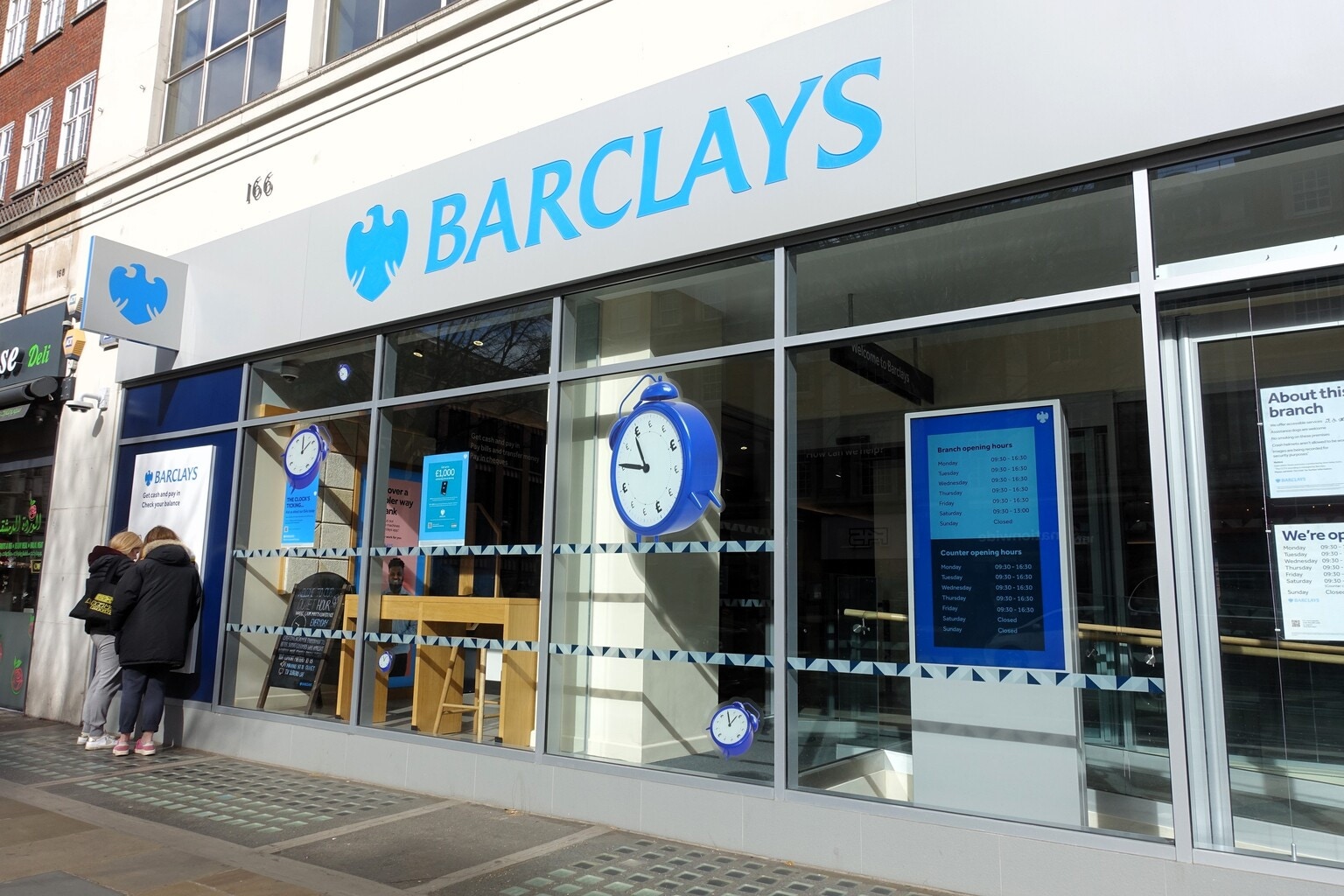
Barclays delivered Q2 2026 results that disappointed markets despite targeting higher income, with shares declining on structural cost and revenue pressures. The downgrade to Hold reflects analyst concern that near-term earnings trajectory faces headwinds beyond management's current guidance, signaling a reassessment of the bank's operational efficiency and market positioning.
The cost and revenue worries highlight a fundamental tension in European banking: while net interest margins have benefited from higher rates, operating expenses and competitive deposit dynamics are eroding profitability at the margin. This suggests BCS faces margin compression risk even as macro interest rate tailwinds persist, a concern that typically precedes earnings forecast cuts.
The downgrade from a higher rating indicates analysts view current valuations as insufficiently attractive relative to forward earnings risk. This is particularly sensitive given recent regulatory capital requirements and the fragile confidence in European financial stocks post-2024 volatility, where capital deployment and cost discipline became paramount investor concerns.
Sector implication: The move signals potential weakness across large-cap European banks exposed to similar operational and market-structure challenges. Investors may rotate defensively within financial services toward higher-yielding dividend names or away from earnings-growth-dependent players, affecting cross-asset sentiment on UK and Eurozone equity risk appetite.