South Korea’s Kospi rockets 17% after massive 3-day selloff. What’s behind the surge?
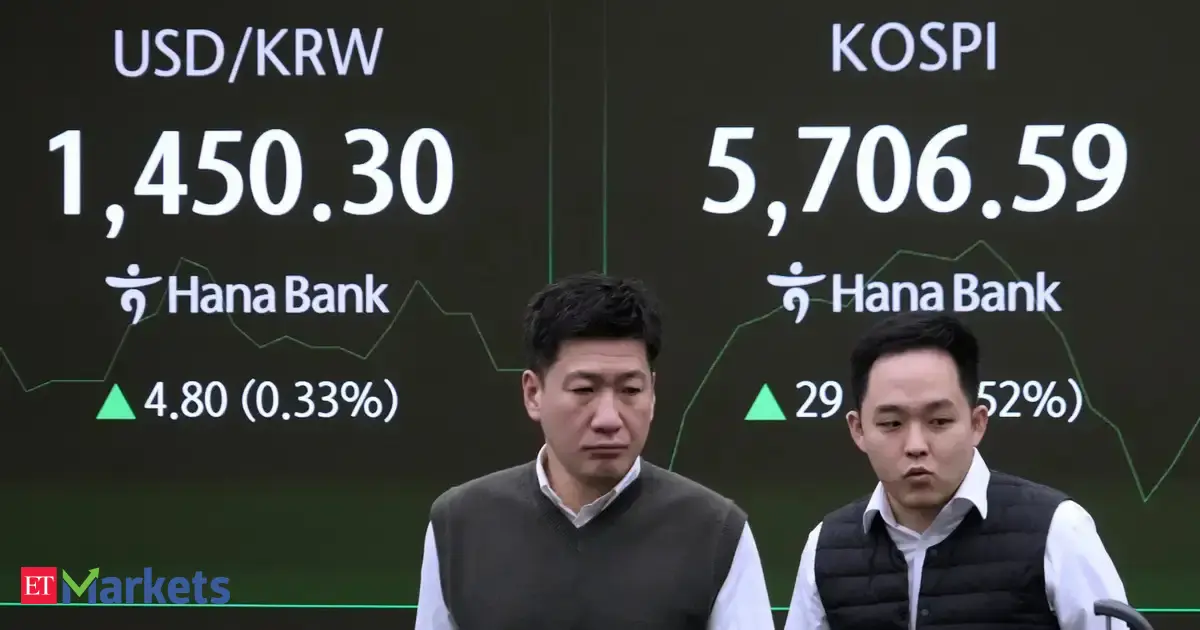
South Korea's KOSPI index rebounded 17% from a 17% three-day collapse, exemplifying extreme mean reversion volatility in Asian equities. The initial selloff was driven by Chinese semiconductor competition fears, which triggered indiscriminate liquidation across memory chip producers and downstream tech consumers. This pattern signals panic capitulation rather than fundamental deterioration in semiconductor demand.
The recovery reflects two dynamics: (1) algorithmic buy-the-dip positioning after oversold conditions, and (2) selective rotation back into semiconductor exposure as investors reassess valuations. South Korea's chip sector (Samsung, SK Hynix) represents 25%+ of KOSPI weighting, so outsized swings are structural. However, the rebound's strength suggests institutional conviction that Chinese competition, while real, was priced excessively into sell-off.
For US tech equities like NVDA and AMD, the rebound validates that sector capitulation has limits. Asian semiconductor strength typically precedes North American stabilization by 24-48 hours, given supply-chain sequencing. This reversal may signal fade of tech-specific recession fears that dominated the week.
Sector implication: Semiconductor and Technology sectors entering volatility reset phase after capitulation. Broad correlation to S&P 500 remains elevated, but Asian stabilization reduces tail-risk selling pressure on US chip stocks. Watch if rebound sustains through next session—failure signals structural demand concerns; success confirms technical oversold bounce.