Japan Earthquake Halts Auto and Chip Plants, Testing Supply Chain Resilience
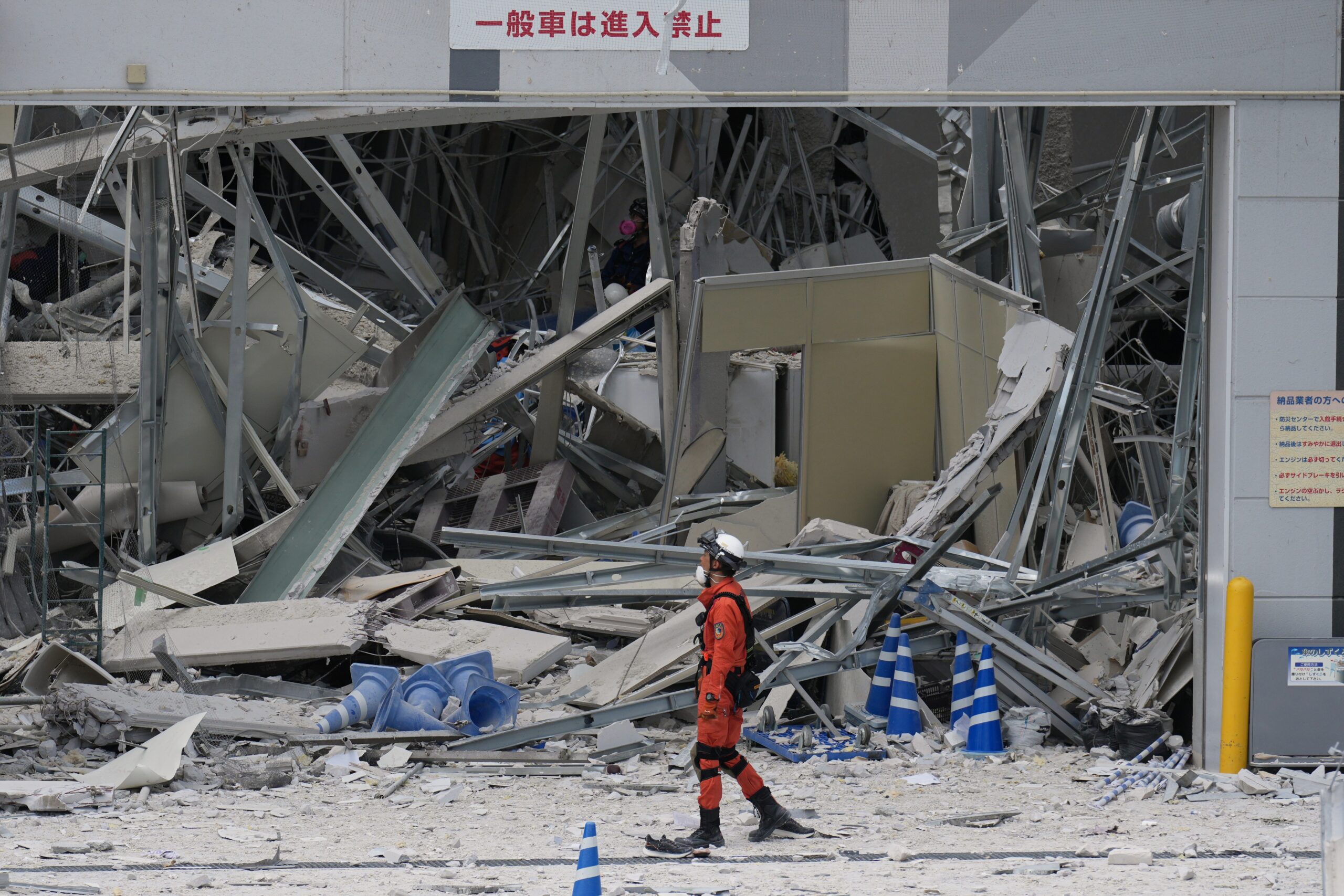
A 7.1-magnitude earthquake in southern Japan has triggered significant operational disruptions across critical manufacturing hubs, forcing multiple automotive and semiconductor facilities offline. This represents a material supply chain shock with near-term production constraints. The incident underscores Japan's concentration risk as a primary supplier of electronics components and vehicle parts to global manufacturers.
For semiconductor firms like SONY and chipmakers dependent on Japanese fabrication, supply tightness could persist for weeks, potentially crimping output for downstream consumer electronics and automotive customers. Auto manufacturers including GM and F face parts scarcity risks, which may necessitate temporary production curtailments or inventory depletion. Chip-intensive sectors reliant on Japanese suppliers—including AI accelerator makers like NVDA—face margin pressure from supply constraints and potential customer allocation timing.
Market sentiment reflects near-term disruption anxiety rather than fundamental demand destruction. Recovery timeline and facility damage severity remain uncertain, creating heightened volatility in affected supply chains. Historical precedent (2011 Fukushima quake) shows multi-quarter recovery cycles, though modern resilience measures may compress timelines.
Sector implication: Technology and Industrials face the most acute exposure; automotive supply chains face component scarcity premiums. Risk-off sentiment may favor defensive positioning until production restart clarity emerges. Earnings revisions downward likely for Q1-Q2 2024 guidance among exposed manufacturers.