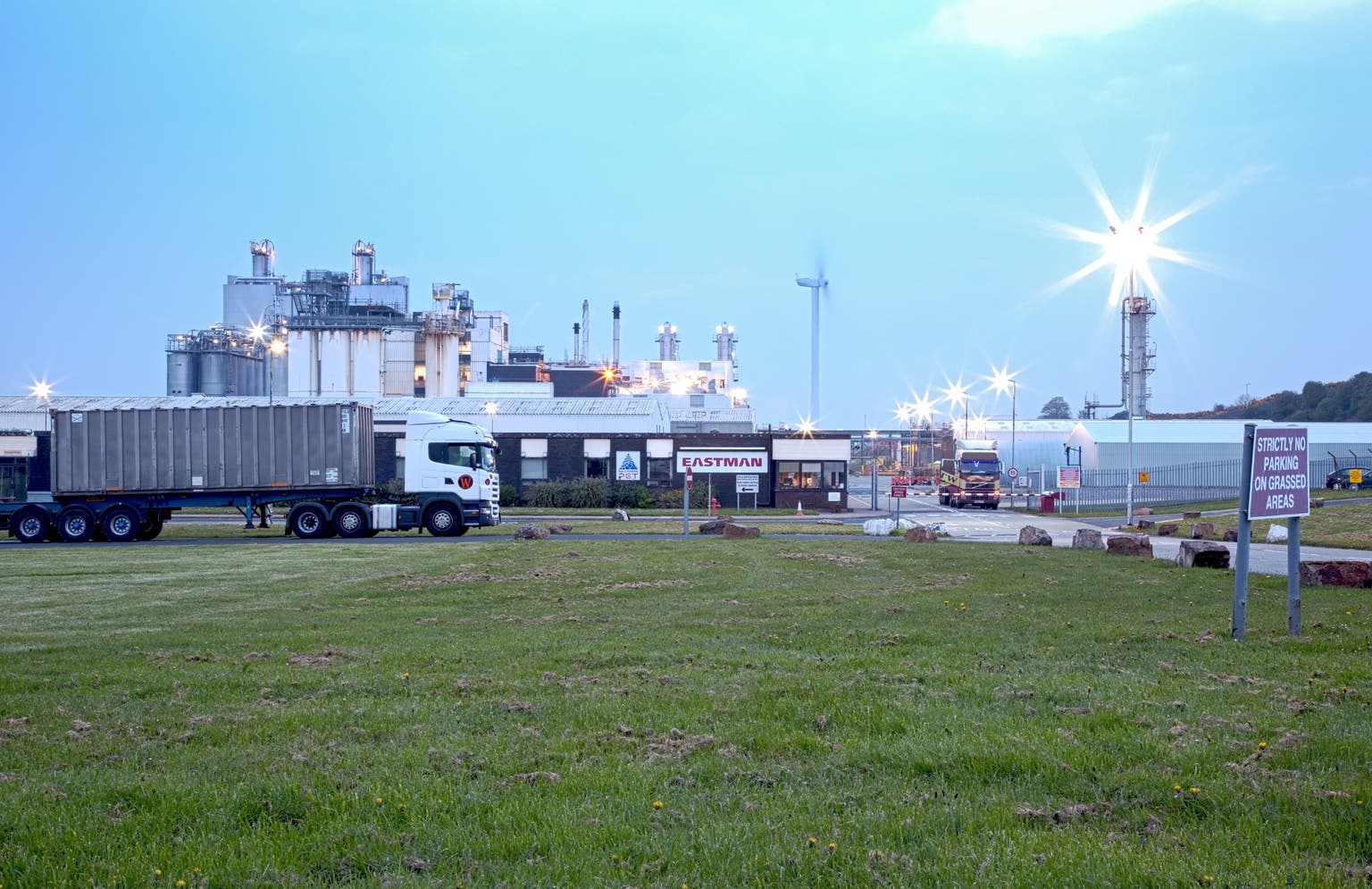
Eastman Chemical (EMN) is experiencing tailwinds from geopolitical tensions in the Iran conflict zone, which has translated into favorable pricing dynamics and demand conditions visible in second-quarter results. Supply chain disruptions and elevated commodity prices in adjacent markets create a supportive environment for specialty chemical producers.
The company's solid Q2 performance reflects both operational execution and external market conditions that favor chemical manufacturers during periods of supply uncertainty. When geopolitical flashpoints disrupt traditional supply routes, producers with diversified capacity typically benefit from pricing power and margin expansion in the near term.
This geopolitical boost, however, remains contingent on escalation duration and regulatory response. Chemical equities often see cyclical upswings during conflict-driven supply tightness, but such gains can reverse if hostilities de-escalate or if alternative supply sources emerge. The sustainability of these benefits depends on whether EMN can convert temporary pricing advantages into structural margin improvements.
Sector implication: Basic materials and specialty chemicals exhibit defensive characteristics during geopolitical uncertainty, as supply constraints typically support pricing discipline. EMN's gains suggest selective rotation into commodity-sensitive equities where supply-side disruption creates temporary structural advantages.