Gold pulled India back from the edge of crisis 35 years ago
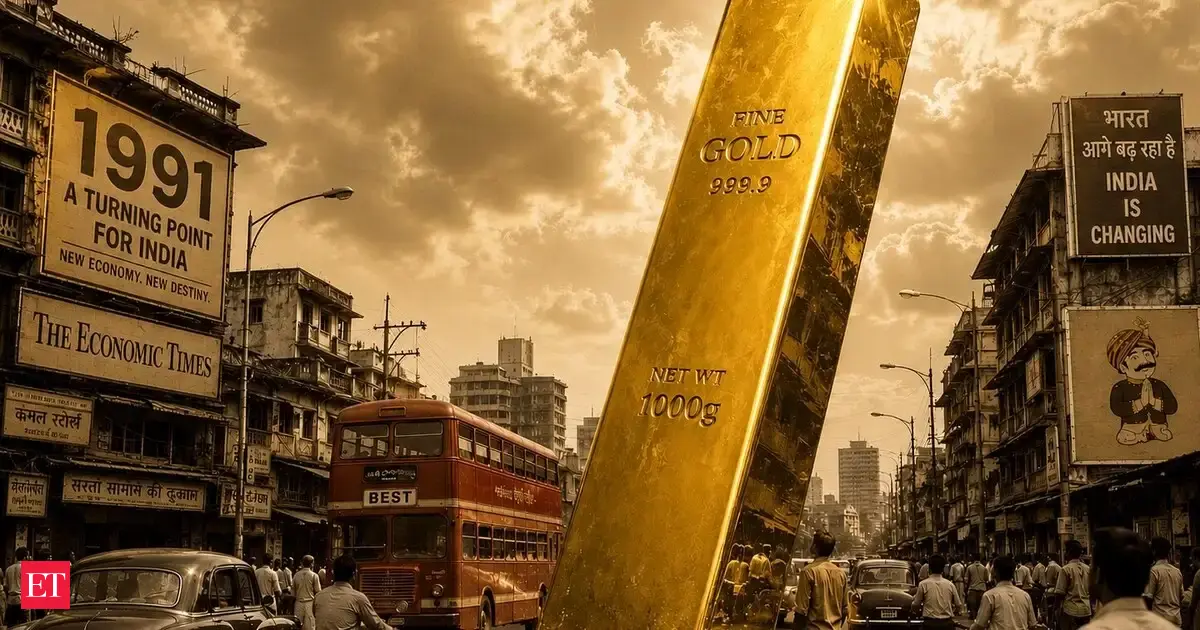
This historical retrospective examines India's 1991 balance-of-payments crisis and the role gold reserves played in stabilizing the economy. The gold pledge of 67 tonnes represented an emergency liquidity measure that provided the fiscal breathing room necessary for structural economic reforms. The episode underscores how commodity holdings, particularly precious metals, function as crisis buffers for sovereign balance sheets.
The 1991 reforms fundamentally restructured India's economic framework, dismantling the licence-permit system and opening markets to foreign investment and competition. This transition marked a watershed moment in the nation's post-independence trajectory, demonstrating how short-term emergency measures can enable longer-term institutional transformation. The gold transaction was instrumental in bridging the immediate solvency gap.
The article carries minimal direct market implications for current trading or portfolio positioning. It is primarily a historical narrative with nostalgic economic significance for India observers rather than a catalyst for asset repricing. The mention of SBKFF (State Bank of India ADR) appears tangential to the gold-reserve narrative and does not signal sector momentum or tactical opportunity.
Sector implication: No actionable sector exposure emerges from this retrospective. While gold and precious metals narratives typically attract defensive investors, this article focuses on historical context rather than present supply-demand dynamics or price signals. Broad market correlation remains negligible.