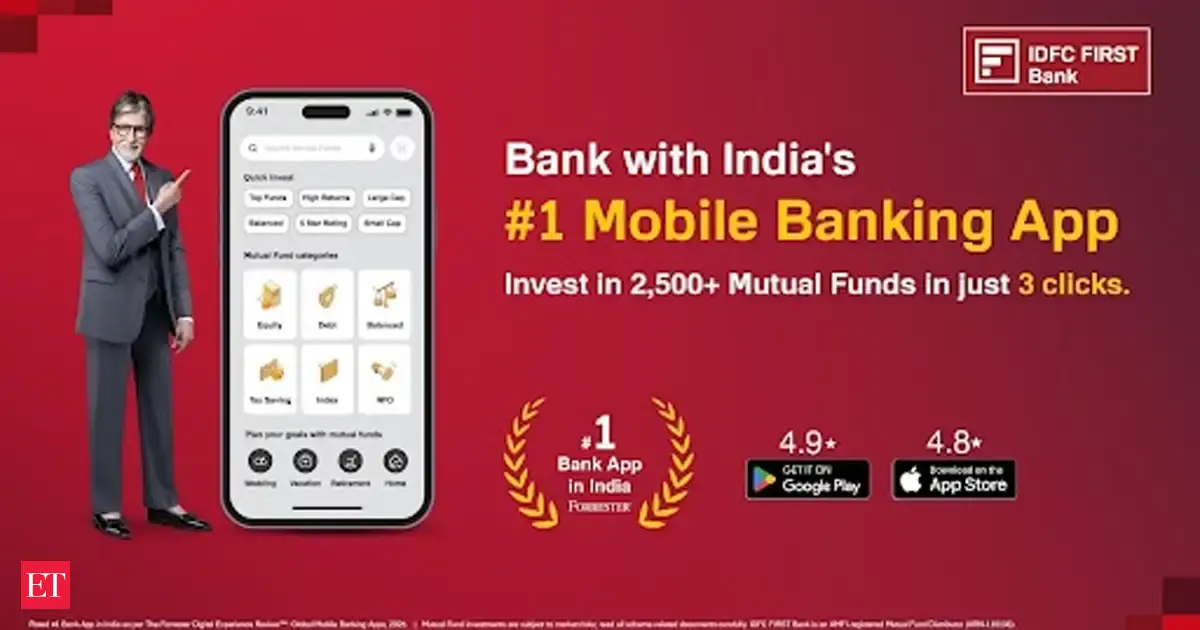
Mobile banking applications are fundamentally reshaping the competitive landscape of financial services by consolidating disparate financial functions into unified digital platforms. This structural shift reflects a secular demand for seamless integration across banking, investment, and wealth management verticals, reducing friction in customer interactions and potentially lowering operational costs for providers.
The emergence of comprehensive digital ecosystems poses both opportunities and risks for incumbent financial institutions and fintech players. Banks investing in robust mobile-first architectures gain defensibility through network effects and switching costs, while those failing to integrate services face disintermediation risk. FRBA and similar regional banking platforms must accelerate platform modernization to compete against technology-native competitors.
This trend amplifies demand for infrastructure, cybersecurity, and data architecture capabilities that enable seamless service layering. Traditional revenue models face pressure as consolidated platforms commoditize ancillary services, though customer data consolidation creates valuable cross-selling and personalization opportunities.
Sector implication: Financial Services faces structural margin compression in commoditized segments but gains wallet-share expansion potential. Technology providers servicing banking infrastructure benefit from elevated modernization capex cycles. Digital-native financial platforms may outperform legacy institutions lacking agile technology stacks.