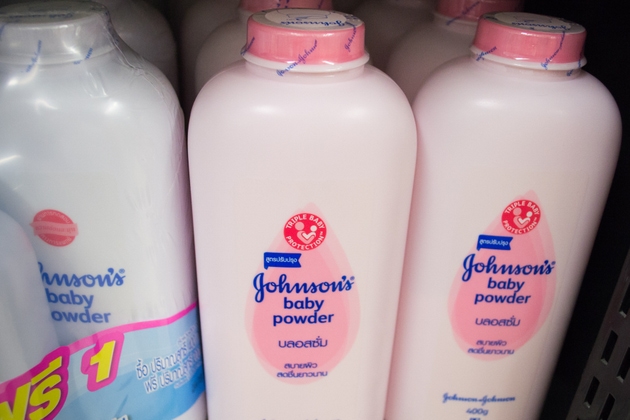
Johnson & Johnson has committed to a $5.5 billion settlement to resolve ongoing talc-related litigation alleging links between its talc products and ovarian cancer. This represents a material capital allocation event for the healthcare conglomerate, reducing discretionary cash available for shareholder returns, R&D acceleration, or strategic acquisitions.
The settlement magnitude signals both legal risk crystallization and balance-sheet impact. While resolution of legacy litigation typically reduces tail-risk uncertainty, the scale of this payout ($5.5B) reflects the accumulated liability exposure JNJ faced across multiple jurisdictions. The agreement effectively closes a prolonged legal chapter that has weighed on investor confidence and regulatory perception within the consumer health segment.
From a capital structure perspective, this settlement reduces earnings per share and free cash flow available for dividends or buybacks—historically core elements of JNJ's investor value proposition. The Health Care sector faces reputational and operational scrutiny when major players absorb multi-billion-dollar litigation costs, potentially affecting relative valuations within the pharmaceutical and consumer wellness subsectors.
Sector implication: The settlement underscores litigation risk as a persistent cost factor for diversified healthcare players with legacy consumer product portfolios. Risk-conscious institutional investors may reassess exposure to large-cap healthcare names with historical product liability overhang, favoring pure-play pharma or medtech platforms with cleaner legal landscapes.