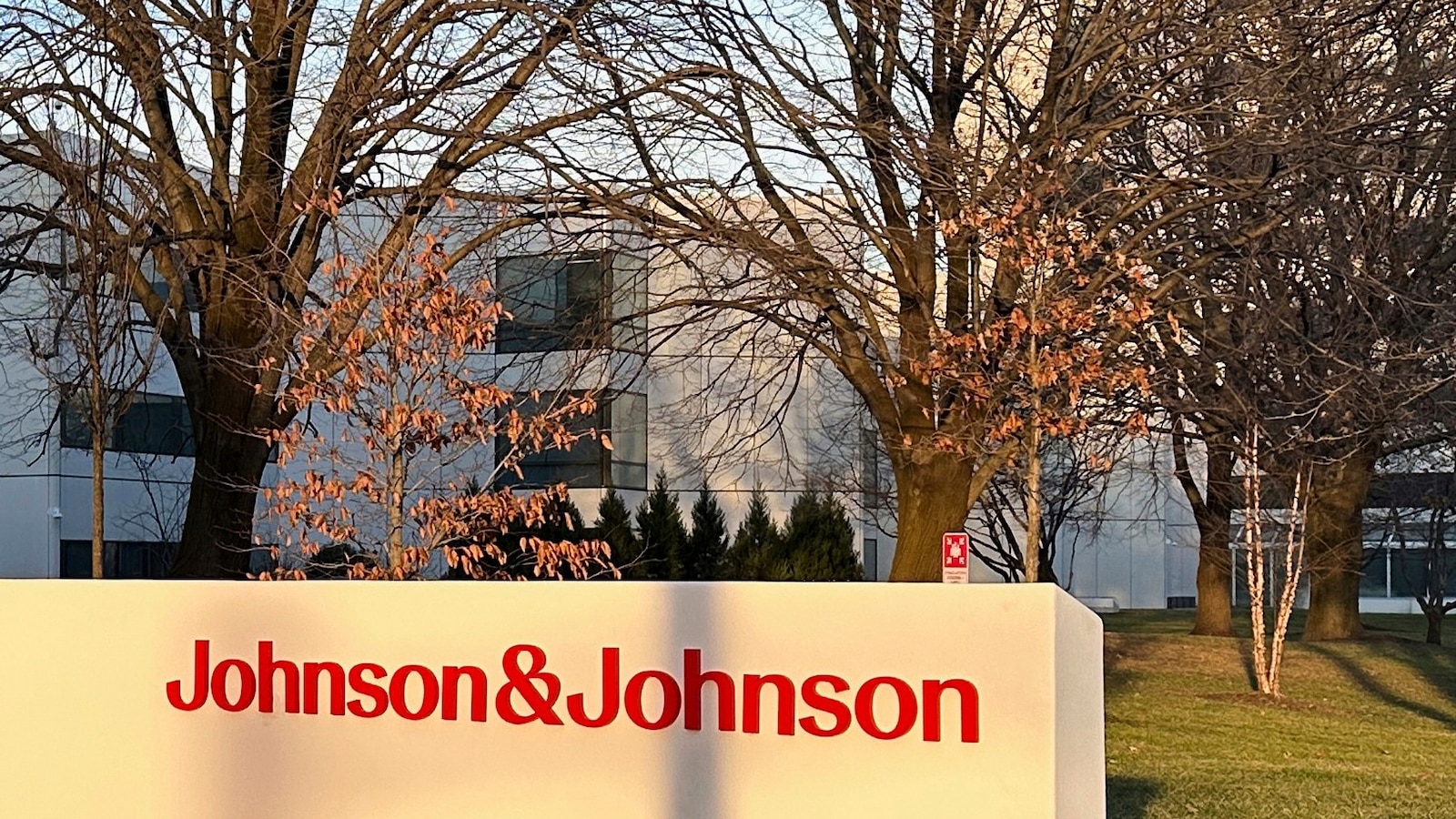
Johnson & Johnson announced a $5.5 billion settlement to resolve outstanding talc litigation, representing a material capital allocation that reduces financial flexibility and signals closure on a long-running legal liability. This settlement, while providing certainty, confirms the company's exposure to product-liability risk and demonstrates the residual cost of legacy litigation that has persisted for years.
The magnitude of the settlement—$5.5 billion—carries meaningful implications for JNJ's balance sheet and near-term cash flow. The charge reduces earnings per share and may pressure near-term profitability metrics, though it potentially eliminates future uncertainty premiums priced into the stock. The settlement also indicates J&J's willingness to absorb substantial costs rather than pursue extended legal challenges, suggesting confidence in its core business resilience.
From a sector perspective, this settlement reinforces ongoing litigation risks within consumer health and pharmaceutical portfolios. Healthcare investors face renewed scrutiny on product-liability exposure across major diversified manufacturers, potentially prompting reassessment of risk premiums on comparable names. The talc litigation has become emblematic of regulatory and litigation headwinds affecting multinational healthcare firms.
Sector implication: The Health Care sector faces continued litigation-driven volatility, with this settlement serving as a benchmark for legacy liability costs. JNJ's resolution may redirect investor focus toward balance-sheet strength and free cash flow generation rather than legacy risk, though it underscores the lingering financial burden of historical product disputes on large-cap healthcare valuations.