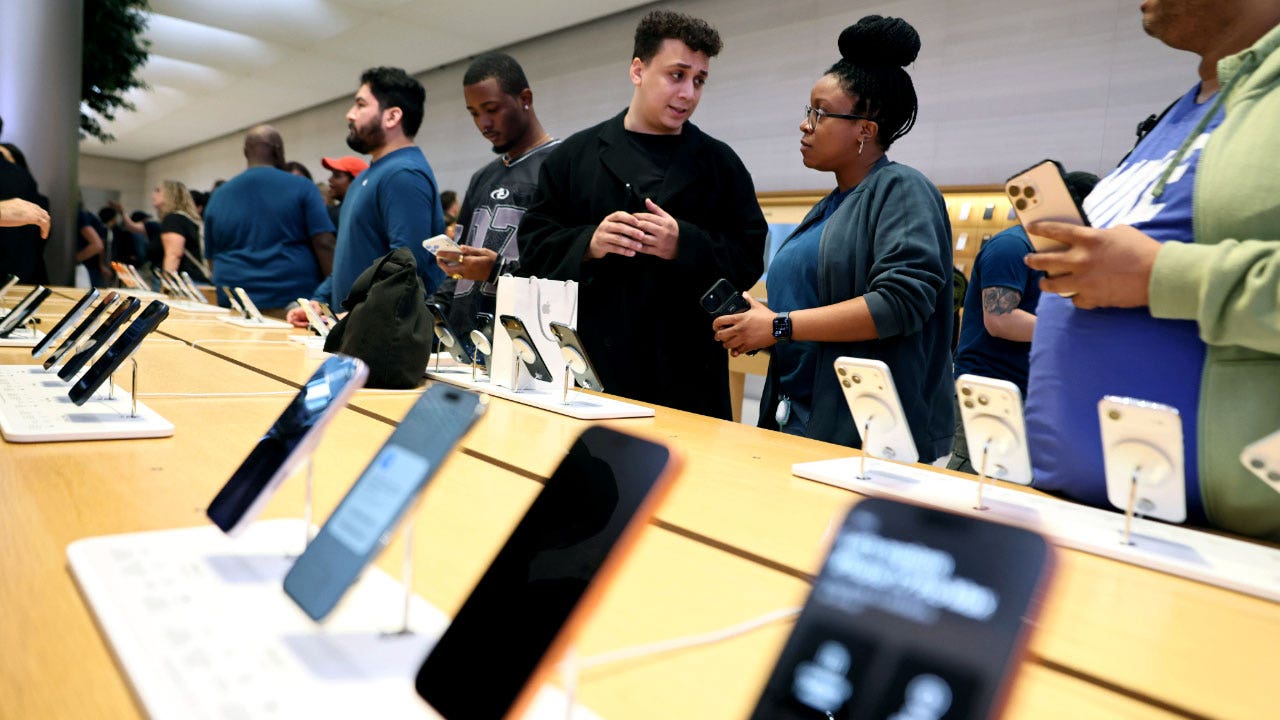
Apple's partnership with Klarna introduces a device leasing model that shifts customer acquisition strategy from outright purchase toward recurring access patterns. This reflects broader tech industry movement toward subscription and as-a-service models, allowing Apple to capture lifecycle revenue beyond traditional hardware sales and strengthen ecosystem lock-in through continuous upgrade pathways.
The Klarna integration expands Apple's financial services footprint without requiring in-house lending infrastructure, leveraging Klarna's fintech capabilities for credit and payment management. This capital-light partnership reduces Apple's balance sheet risk while extending payment flexibility to price-sensitive customer segments, potentially expanding addressable market for premium devices.
Device leasing programs typically drive higher customer lifetime value through predictable recurring payments and reduced churn, as switching costs increase when devices are financed. The availability across iPhone, iPad, Mac, and Apple Watch suggests coordinated ecosystem monetization—users leasing one device are more likely to adopt complementary services and additional Apple products.
Sector implication: This move positions Apple within the consumer finance and device-as-a-service trend, creating positive signals for recurring revenue stability while potentially pressuring traditional retail upgrade cycles. Klarna benefits from transaction volume and data enrichment, strengthening its fintech positioning amid competitive BNPL market consolidation.