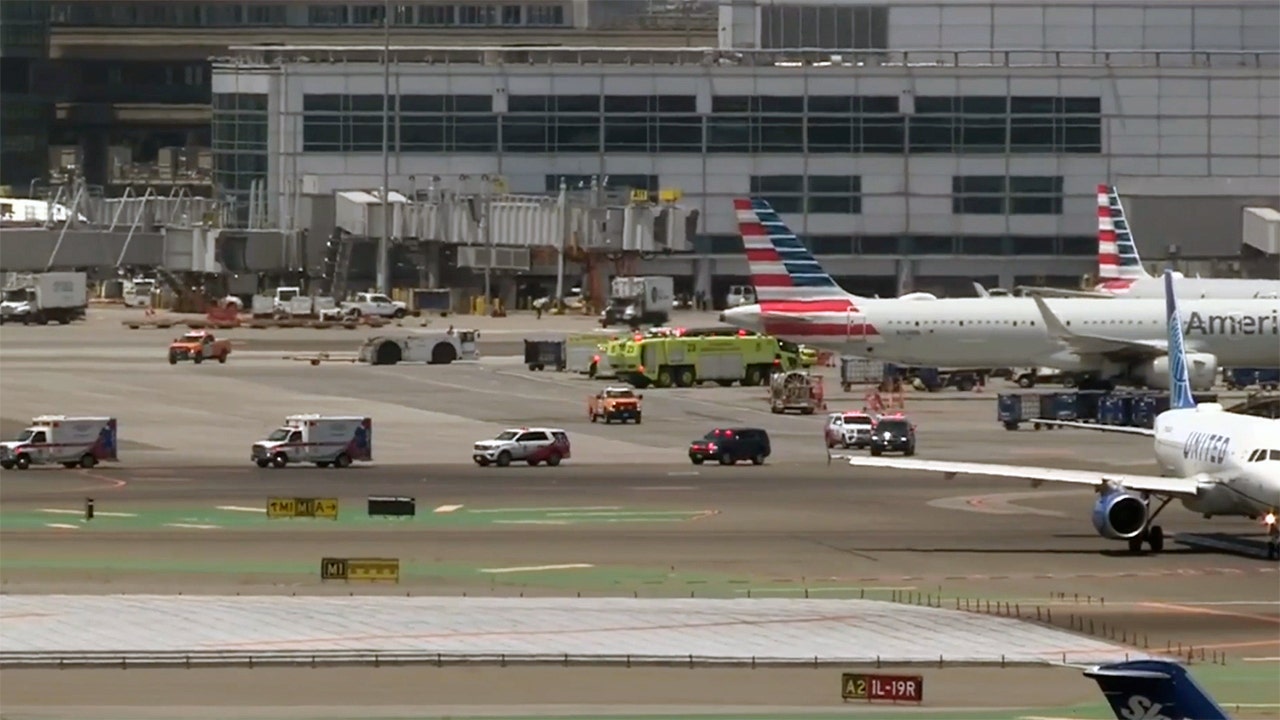
An American Airlines (AAL) international flight experienced an unscheduled diversion to Dublin following an unidentified odor that prompted medical evaluations of crew and passenger personnel. While operational disruptions create near-term operational friction and potential ancillary costs, isolated safety incidents are normalized within aviation and rarely trigger sustained equity repricing absent systemic regulatory or mechanical findings.
The incident carries reputational and liability implications for AAL, but lacks the scale or pattern necessary to meaningfully alter airline sector fundamentals or investor confidence. Single-flight diversions, though operationally inconvenient and costly for the carrier, do not materially affect fleet utilization or revenue trajectory when assessed against quarterly performance drivers—load factors, fuel hedging, capacity deployment, and yield management.
Short-term market reaction may produce mild negative technical pressure on AAL stock as risk-averse participants digest headlines, yet the absence of structural demand destruction, regulatory sanction, or systemic fleet concern constrains downside severity. Media-driven safety narratives tend to dissipate rapidly once root cause data emerges and absent escalation patterns.
Sector implication: Industrials and Transportation subsectors show negligible directional pressure; this event is idiosyncratic rather than cyclical. Broader airline equity indices remain influenced by macro fuel prices, capacity dynamics, and consumer travel demand—not isolated operational anomalies.