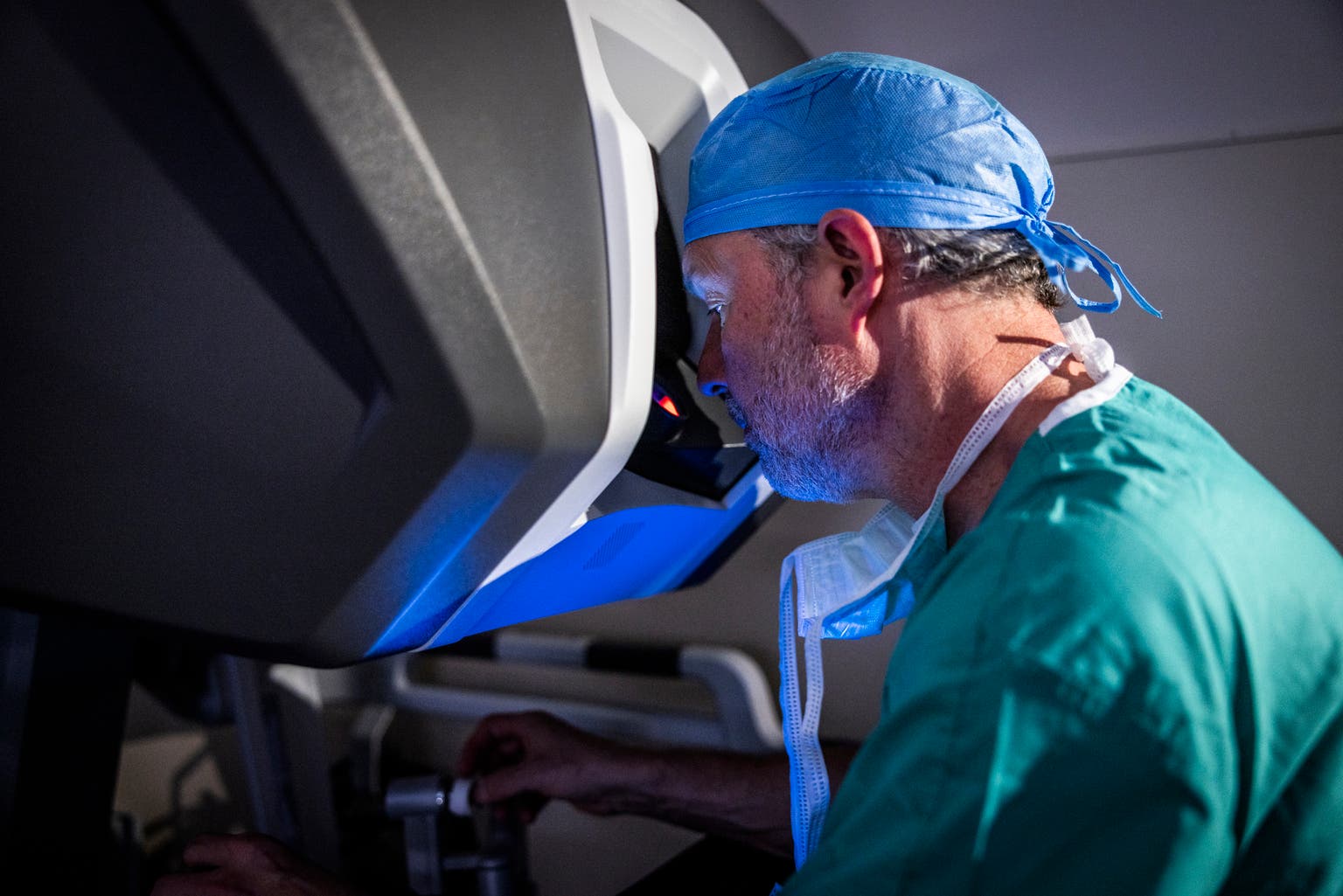
PRCT faces a critical operational misalignment in Q1 2026: installed base growth of 40% year-over-year significantly outpaced procedure volume growth of only 30%. This divergence signals declining utilization efficiency, with each robotic system now performing just 16.45 procedures on average—a troubling metric for capital deployment returns.
The core issue reflects a mismatch between hardware expansion and clinical adoption. While PRCT successfully places robots into healthcare networks, actual usage lags expectations. This suggests either slower surgeon training cycles, insufficient procedure demand, or competitive pressures limiting procedure volume—all red flags for revenue growth sustainability.
For equity investors, this underutilization directly impacts unit economics and return on invested capital. If utilization remains static, incremental robot placements generate proportionally lower revenue uplift, pressuring margins and cash generation relative to growth guidance. The market typically penalizes growth-stage medtech companies exhibiting demand validation gaps.
Sector implication: Medical robotics remains a high-conviction growth narrative, but individual execution matters. PRCT's utilization drag suggests competitive or commercial headwinds specific to its platform, potentially weakening relative positioning versus better-adopted robotic systems in surgical markets.