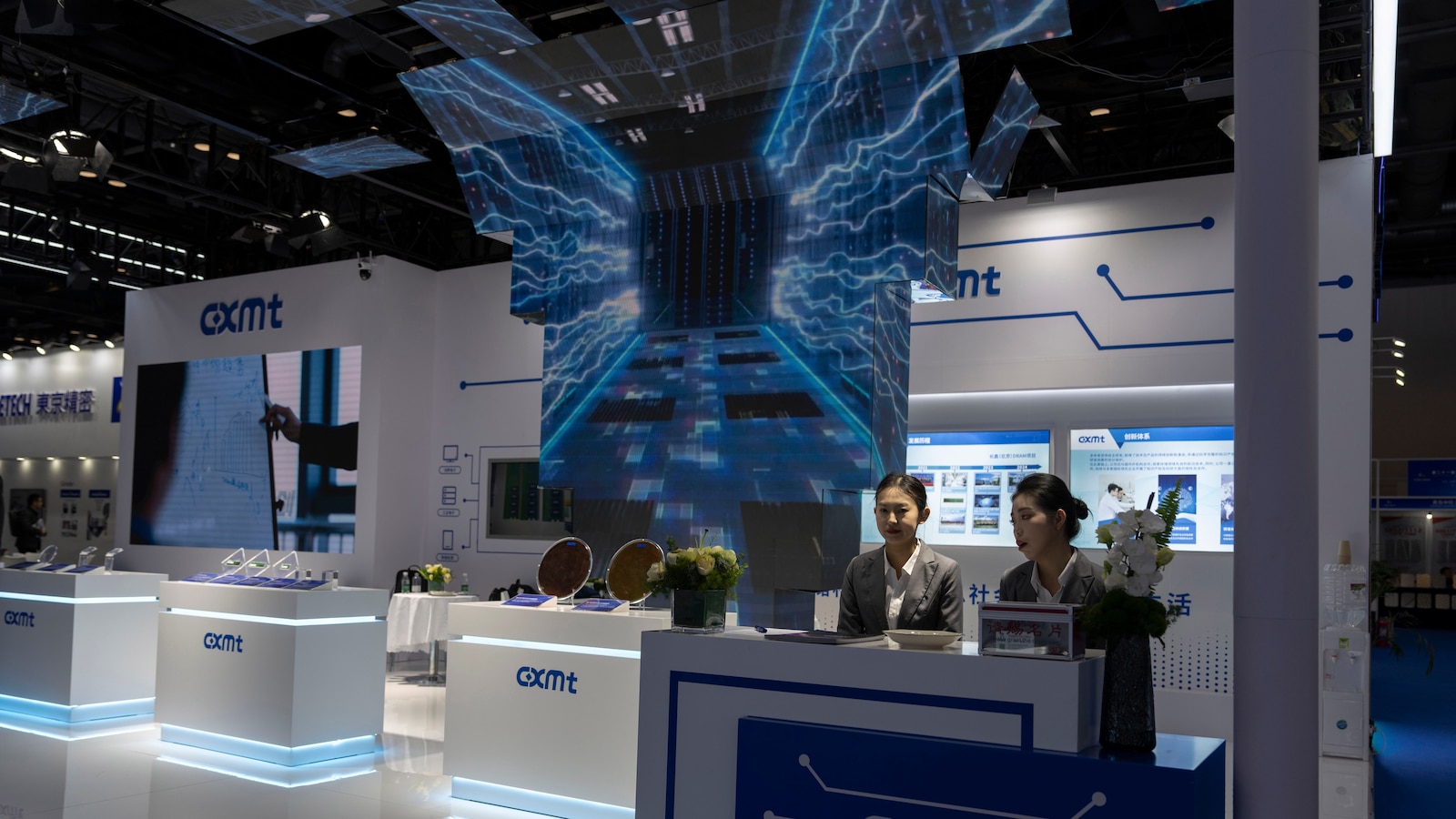
Chinese memory chipmaker CXMT initiated trading on Shanghai's exchange in what represents one of mainland China's largest IPOs in recent years, with shares demonstrating significant momentum on debut. This development reflects China's continued strategic push to build domestic semiconductor capacity and reduce reliance on foreign chip suppliers, particularly in the memory segment where global competition remains intense.
The IPO success underscores growing investor confidence in China's semiconductor ambitions and technological self-sufficiency initiatives. However, the entry of a new competitor with state-backing into memory chip markets creates competitive pressure on established players like Micron Technology (MU), which derives meaningful revenue from DRAM and NAND flash sales to Chinese manufacturers and consumers. Increased local supply optionality may constrain pricing power for Western memory chipmakers.
From a structural perspective, this event exemplifies the broader deglobalization and regional supply-chain fragmentation trend reshaping semiconductor markets. Chinese capacity additions—particularly in memory—compete directly with the high-margin products that drive profitability for incumbent Western manufacturers, potentially capping upside in the near term.
Sector implication: Technology and semiconductor subsectors face headwinds from accelerating Chinese domestic competition, though this may benefit select equipment suppliers and materials providers focused on China exposure. The competitive dynamic supports continued consolidation and margin compression narratives in commodity memory segments.