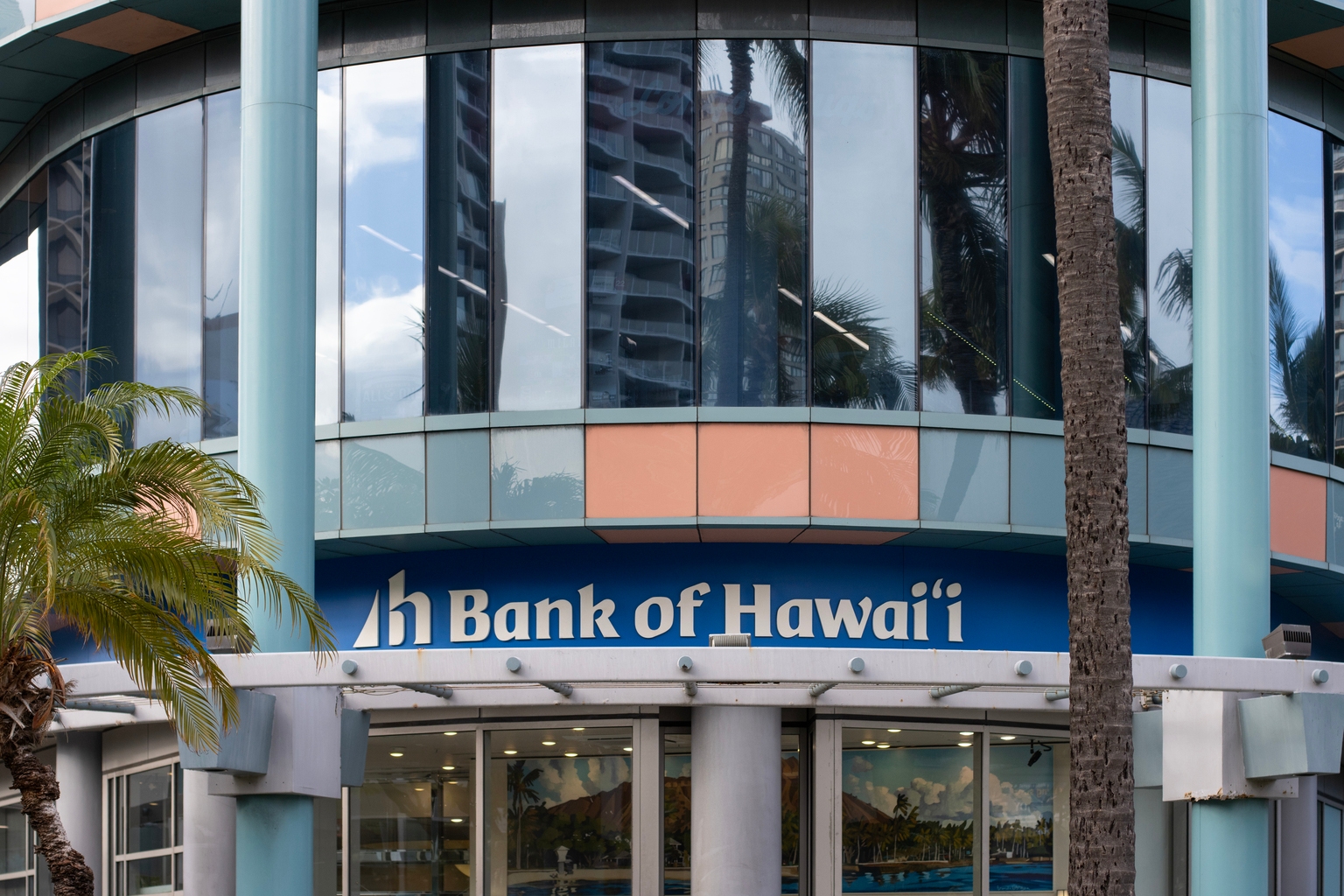
Bank of Hawaii (BOH) is benefiting from persistent net interest margin (NIM) expansion as the interest rate environment remains elevated. The continuation of higher rates creates a structural tailwind for regional banks, allowing BOH to widen lending spreads and enhance net interest income without proportional cost increases, translating into earnings accretion.
Credit quality metrics and capital ratios remain robust, reducing downside risk and supporting management's capacity to return capital to shareholders. This combination of operational leverage from NIM expansion coupled with fortress balance sheet positioning underpins confidence in earnings growth trajectory, particularly if rate levels remain sticky or decline more gradually than market consensus.
The regional banking sector has faced headwinds from deposit competition and funding cost pressures, yet BOH's asset-sensitive positioning and geographic diversification insulate it from the most severe dislocations affecting peers. Strong credit fundamentals also suggest limited loan loss reserve releases are unlikely, keeping earnings quality intact.
Sector implication: This thesis reflects broader financial services resilience in a higher-for-longer rate regime. Regional banks with strong capital buffers and NIM sensitivity benefit disproportionately from monetary policy uncertainty, making them tactical hedges against inflation persistence and late-cycle economic dynamics.