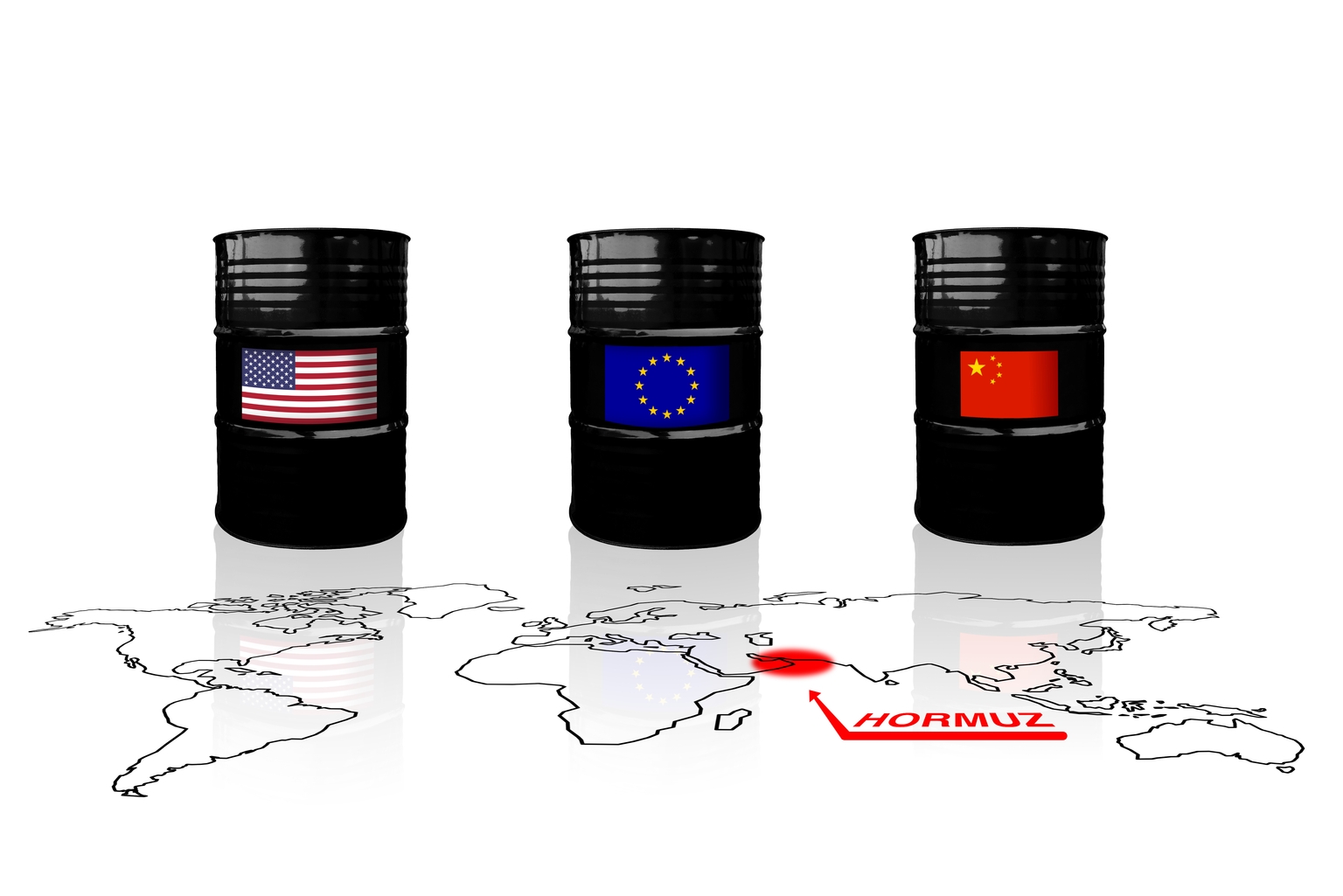
Geopolitical escalation between the US and Iran introduces significant tail-risk dynamics into energy markets. With strategic petroleum reserves in the US, Japan, and Europe approaching depletion thresholds, any disruption to oil supply chains would face constrained mitigation capacity. This asymmetry between demand shock potential and policy buffers creates elevated downside volatility.
IWD (Russell 1000 Value) faces dual pressure: energy exposure provides upside from crude rallies, but broader equity repricing in a stagflation scenario would likely dominate. Meme-stock sensitivity—particularly TSLA and PLTR—amplifies the risk; these tickers exhibit high correlation with risk-sentiment reversals and growth premium compression when rate expectations shift or uncertainty spikes.
The reserve depletion angle is material to inflation expectations. Central banks cannot easily offset supply-side oil shocks through traditional accommodation, creating a policy bind that favors real assets (oil futures/commodities) over growth equities in the near term. This regime shift tilts portfolio positioning toward defensive and commodity exposures.
Sector implication: Energy gains from geopolitical premium, but Technology and discretionary sectors face headwinds from both higher input costs and potential demand destruction. Fat-tail risk pricing remains asymmetrically skewed toward energy disruption rather than containment.