Half the Price, Same Punch: Why Lockheed Martin Corporation (LMT)’s New Interceptor Could Reload Its Growth Story
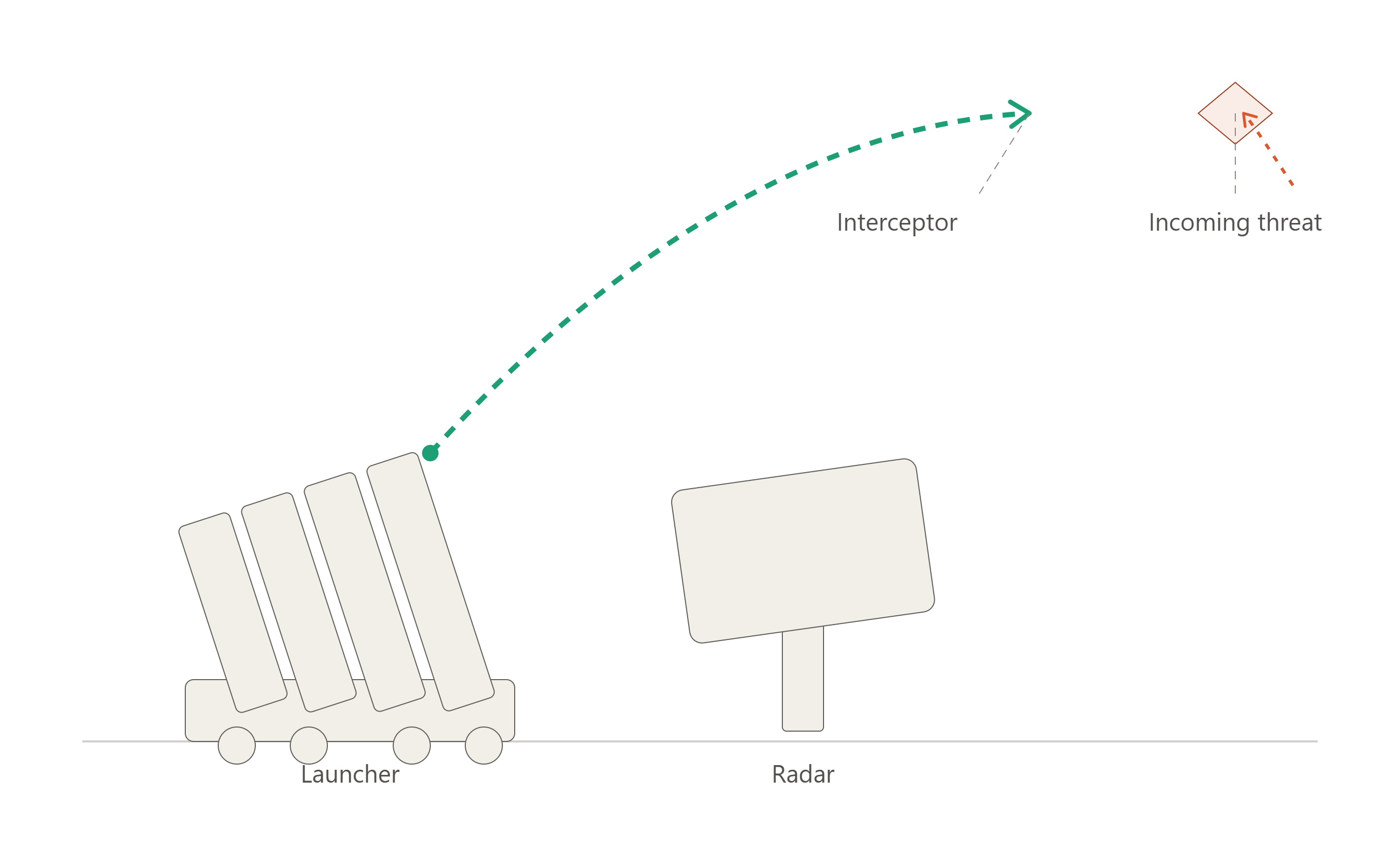
Lockheed Martin (LMT) faces a critical strategic inflection as adversaries deploy lower-cost missiles and drones, forcing asymmetric cost-exchange ratios unfavorable to traditional air defense economics. The company's development of a new cost-optimized interceptor addresses this vulnerability by narrowing the price differential between defensive and offensive systems, a problem that has plagued U.S. and allied military procurement strategies.
The fundamental issue centers on cost parity—current interceptor platforms command premium prices while emerging threats rely on cheaper, mass-producible munitions. This imbalance creates budgetary constraints and operational deterrence challenges. LMT's proposed solution targets the middle market, offering comparable defensive capability at reduced unit cost, which could unlock demand from allied nations and domestic modernization budgets constrained by fiscal headwinds.
From a commercial perspective, this positioning strengthens LMT's competitive moat within the guided missile and air defense segments. Success in this category could stabilize recurring revenue streams and expand addressable markets beyond traditional major platform contracts. The announcement signals management's focus on addressable market expansion rather than reliance on legacy systems.
Sector implication: The defense industrial base benefits from modernization tailwinds and NATO expansion. LMT's innovation in cost-effective deterrence aligns with elevated geopolitical tension and allied rearmament cycles, supporting medium-term growth trajectories within the industrials and defense contracting ecosystem.