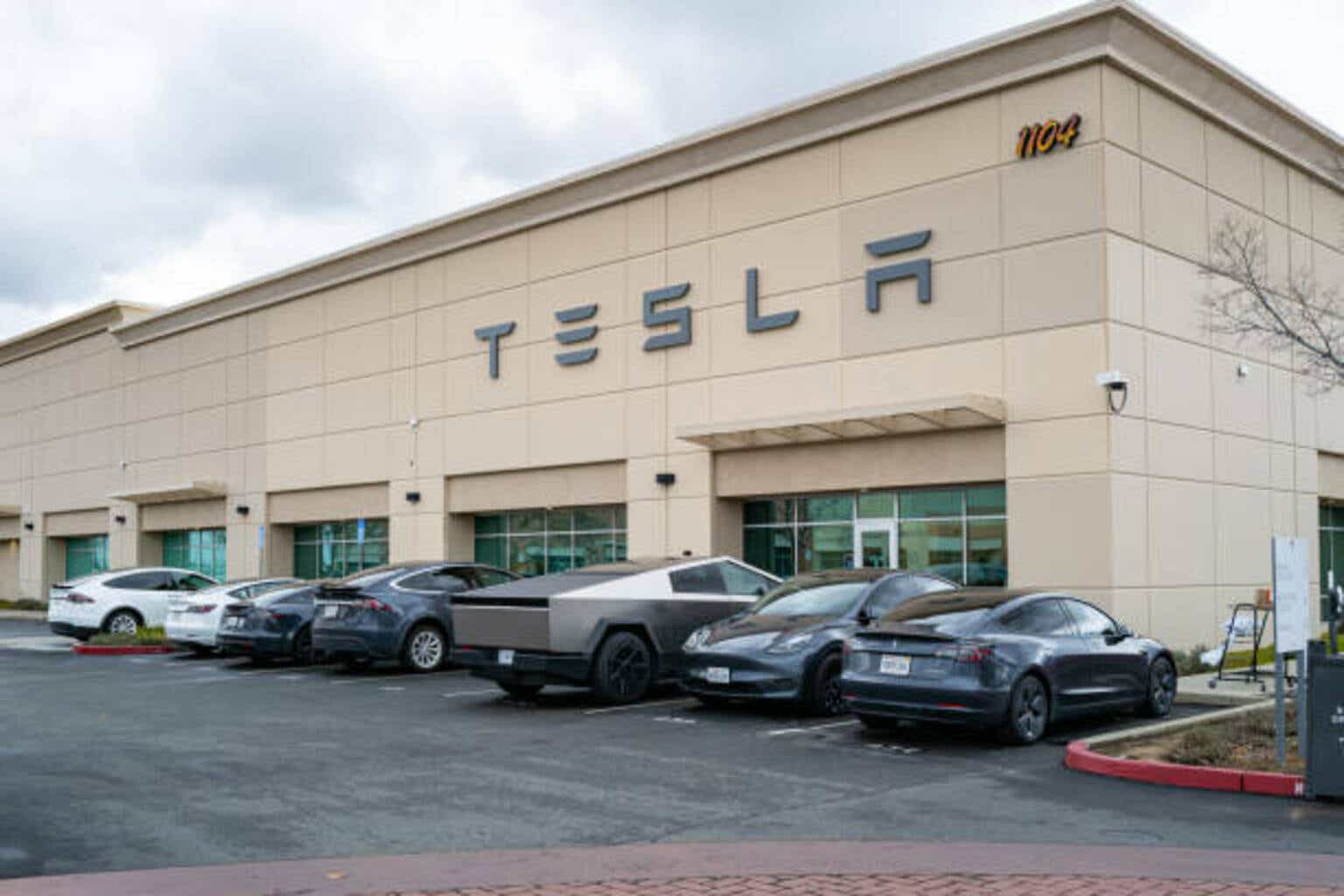
Tesla's Q2 earnings reveal a fundamental tension between operational scale and profitability deterioration. Record deliveries in Model 3/Y demonstrate sustained demand dominance, yet this achievement masks an increasingly fragile margin compression narrative that threatens investor confidence in the EV leader's pricing power and cost structure.
The headline result—volume gains without corresponding earnings expansion—signals that competitive saturation from both legacy OEMs and Chinese rivals is forcing Tesla into a race-to-the-bottom pricing strategy. This dynamic directly undermines the premium valuation multiple the stock has historically commanded, as investors shift focus from growth to unit economics and return on capital deployed in manufacturing capacity.
China competition intensifies the structural headwind, with domestic EV makers (BYD, NIO, Li Auto) capturing market share through aggressive pricing and localized product portfolios. Tesla's ability to maintain gross margins while expanding production volumes—historically its competitive moat—is now questioned. Cost pressures from supply chain normalization and labor expenses further compress the operating leverage story.
Sector implication: This earnings inflection has broader Auto sector ramifications. It suggests the EV transition thesis requires a margin reset across the industry, reducing terminal-value assumptions for cyclical automotive plays. Growth-at-any-cost narratives are facing structural profitability reality checks, tilting sentiment toward defensive positioning in Consumer Cyclical.