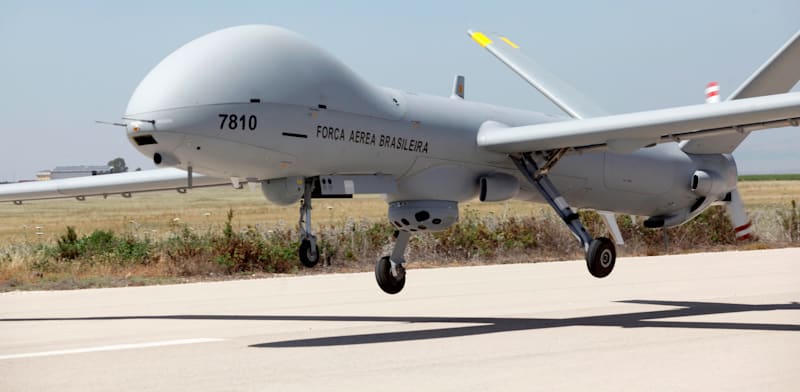
Elbit Systems (ESLT) announced a naval modernization initiative targeting the conversion of existing maritime platforms into autonomous drone carriers. The proposal involves integrating 9–12 Hermes 650 UAVs—the company's proven medium-altitude surveillance platform—with retrofit deck infrastructure and bespoke command systems. This represents a natural extension of Elbit's existing drone portfolio into naval applications.
The initiative underscores growing defense sector emphasis on unmanned systems for maritime surveillance, reconnaissance, and extended operational reach. Retrofitting existing vessels rather than building new platforms reduces capital barriers for adopting nations and expands the addressable market for Elbit's UAV ecosystem. Integration complexity centers on deck operations, control architecture standardization, and mission software interoperability across heterogeneous naval platforms.
From a commercial standpoint, this positions Elbit as a systems integrator for naval drone operations—a higher-margin business than standalone UAV sales. Competitive positioning against other drone manufacturers hinges on integration quality, logistical support, and customer-specific customization capabilities in the defense procurement cycle.
Sector implication: The announcement reflects ongoing defense modernization spending in developed economies, particularly for unmanned maritime capabilities. This correlates with broader industrial and technology sector rotation toward defense electronics and autonomous systems, though market reaction remains muted pending concrete contracts or government procurement announcements.